
LiFePO₄ Cylindrical Cells Built for Long-Term Battery Systems
Reliable LiFePO₄ cells for OEM battery projects requiring long cycle life, stable performance, and dependable pack integration. Lithogenix supports multiple cylindrical cell formats for industrial, energy storage, mobility, and custom battery applications.
Explore Our LiFePO4 Cell Range
Compare our cylindrical LiFePO₄ cell formats and choose the model that best matches your capacity, size, and battery pack requirements.
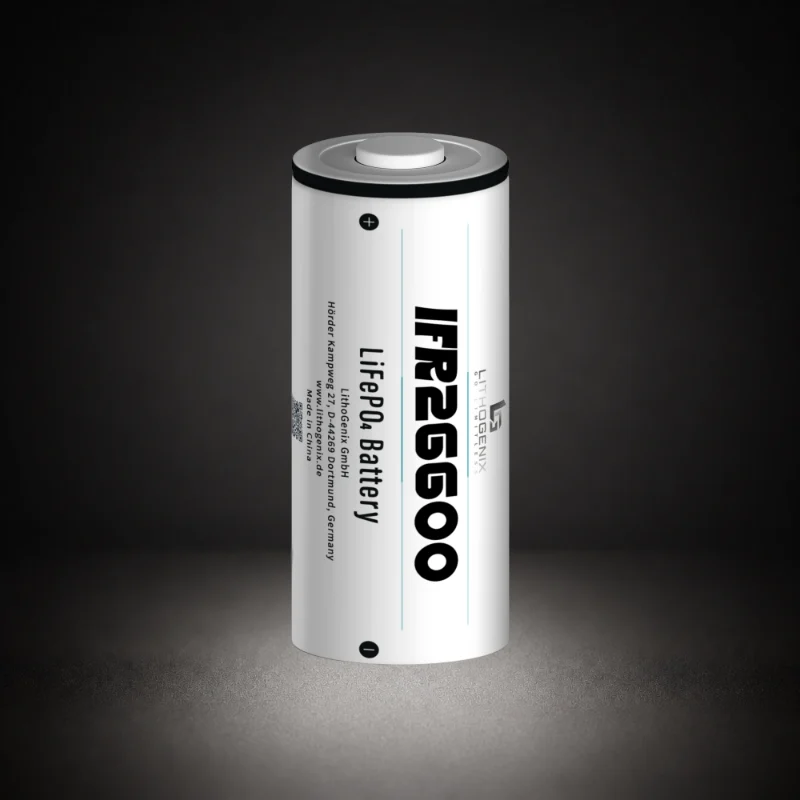
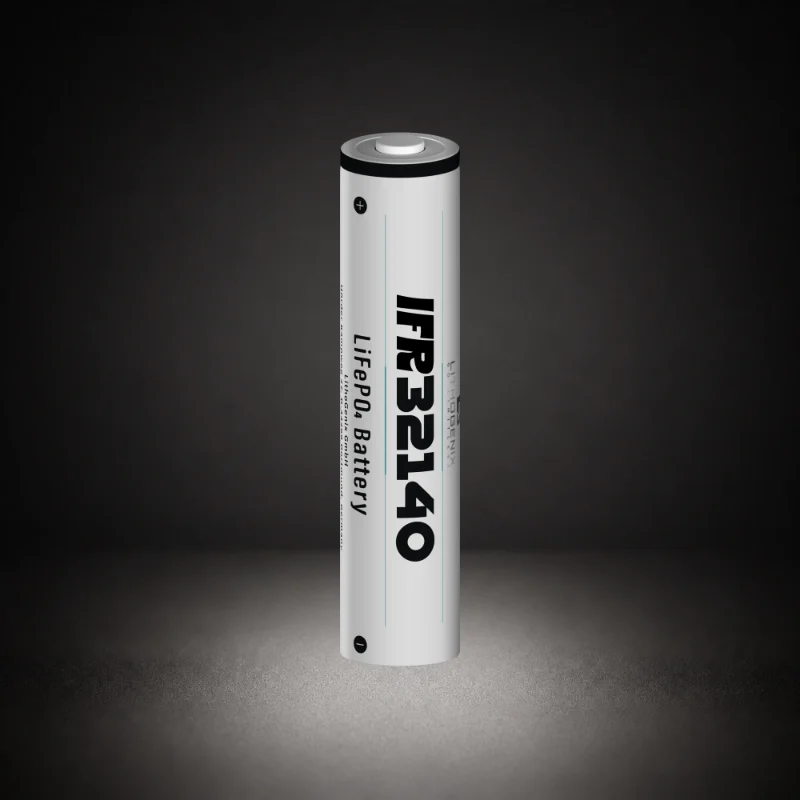
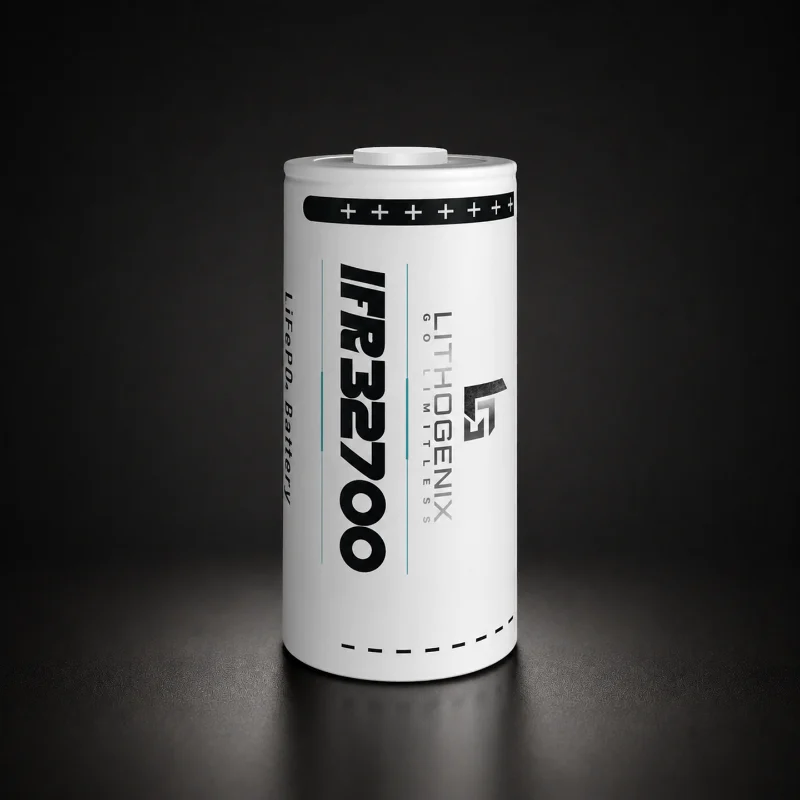
Compare LiFePO4 Cell Specifications
Compare our key cylindrical LiFePO₄ cell models by capacity, dimensions, discharge capability, cycle life, and weight to identify the option that best fits your battery system requirements.
| Specification | IFR32700 | IFR32140 | IFR32800 |
|---|---|---|---|
| Nominal Voltage | 3.2 V | 3.2 V | 3.2 V |
| Nominal Capacity | 6000 mAh | 15000 mAh | 8000 mAh |
| Cell Dimensions | Ø32 × 70 mm | Ø32 × 140 mm | Ø32 × 80 mm |
| Energy | 19.2 Wh | 48 Wh | 25.6 Wh |
| Max. Continuous Discharge Current | 18 A (3C) | 30 A (2C) | 24 A (3C) |
| Max. Discharge Current | 60 A (3s) | 90 A (10s) | 48 A (3s) |
| Cycle Life |
>2,500 cycles; ≥80% capacity retention at 0.5C charge / 1C discharge |
>2,500 cycles; ≥80% capacity retention at 0.5C charge / 1C discharge |
>2,500 cycles; ≥80% capacity retention at 0.5C charge / 1C discharge |
| Weight | 139 ± 5 g | 295 ± 10 g | 160 ± 5 g |
LiFePO4 Performance for OEM Applications
LiFePO₄ cells are well suited to battery systems where cycle durability, stable operating behavior, and long-term reliability matter more than maximizing energy density. The right cell should still be selected according to load profile, available space, pack configuration, and service-life targets.
Long Cycle Performance
LiFePO₄ chemistry is commonly selected for applications that experience frequent charge and discharge cycles. Its cycle characteristics make it suitable for battery systems expected to operate repeatedly over an extended service period.
Stable 3.2V Cell Platform
LiFePO₄ cells typically use a nominal voltage of 3.2V, providing a stable voltage platform for series battery configurations. Cell count, operating voltage range, and BMS settings should be evaluated together during pack design.
Thermal & Safety Characteristics
LiFePO₄ chemistry offers strong thermal stability compared with many other lithium-ion chemistries. Proper cell selection, BMS protection, mechanical design, and charging control remain essential parts of a safe battery system.
Power, Capacity & Size Balance
The highest-capacity cell is not automatically the best option for every project. Continuous current, peak load, available installation space, weight targets, thermal conditions, and pack layout should all be considered when selecting a cell format.
- Quality Assurance
Cell Testing & Batch Consistency
Consistent electrical performance matters when multiple cells operate together in the same battery pack. Lithogenix applies cell screening, parameter checks, and batch controls to help reduce variation before cells move into OEM pack assembly or customer production.
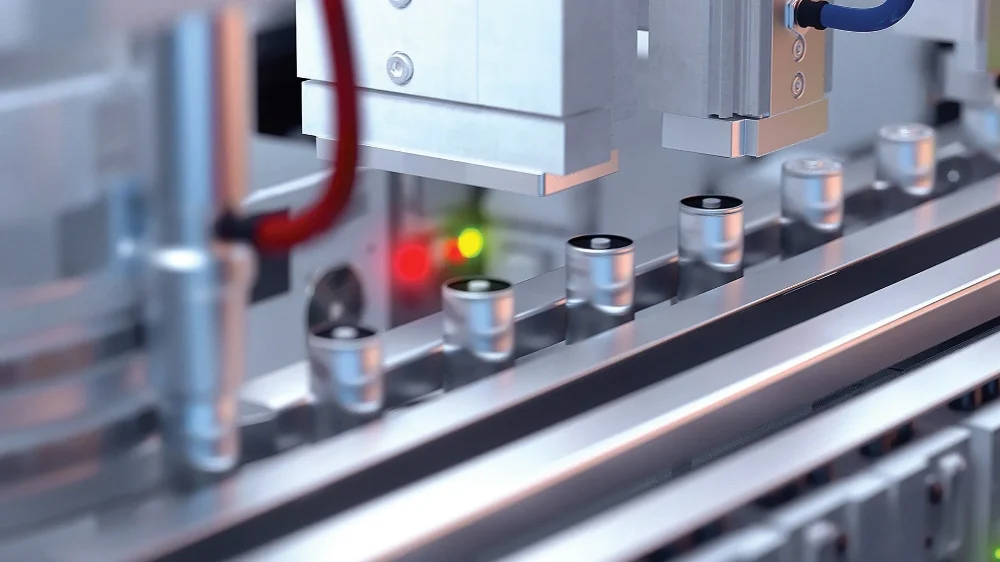
Cell capacity is checked against the applicable product specification to identify abnormal variation and support more consistent performance within the same production batch.
Open-circuit voltage is reviewed during cell inspection and matching. Keeping voltage differences within an appropriate range helps reduce imbalance when cells are assembled into multi-cell configurations.
Internal resistance is an important indicator of cell behavior under load. Resistance checks help identify cells with unusual electrical characteristics before pack integration.
Selected cells are evaluated through controlled charge and discharge testing to verify key performance characteristics against the relevant specification and project requirements.
Cells can be selected according to key electrical parameters when a project requires closer consistency between cells. Matching requirements can be discussed according to pack configuration, discharge load, and application needs.
Production and inspection information can be managed by batch to support quality review, documentation, and follow-up during OEM projects.
- From Battery Cell to Pack
Cell Selection for Battery Pack Integration
A suitable LiFePO₄ cell must work within the electrical, mechanical, and operating requirements of the finished battery pack. Lithogenix supports cell selection with pack-level considerations in mind, helping OEM customers evaluate the right format before moving into detailed battery design.
Cell Selection by Load Requirements
Capacity alone does not determine whether a cell is suitable for a project. Continuous current, peak discharge demand, operating profile, and expected service life should be considered when selecting the cell model.
Series & Parallel Configuration
Target pack voltage and capacity determine how individual cells are arranged. Cell characteristics need to remain compatible with the intended series and parallel configuration to support stable pack performance.
BMS & Electrical Compatibility
The selected cell should align with the BMS charging, discharging, protection, and balancing strategy. Nominal voltage, operating limits, and current requirements all influence the electrical design of the finished pack.
Mechanical & Pack Layout Considerations
Cell diameter, length, spacing, connection method, thermal requirements, and available installation space can affect the final pack structure. Selecting the appropriate cell format early can simplify later mechanical development.
- Applications
Applications for LiFePO4 Cells
LiFePO₄ cylindrical cells can support a wide range of OEM battery systems where dependable cycling, stable electrical performance, and practical pack integration are important. The appropriate cell model should be selected according to load profile, available space, operating environment, and required battery configuration.
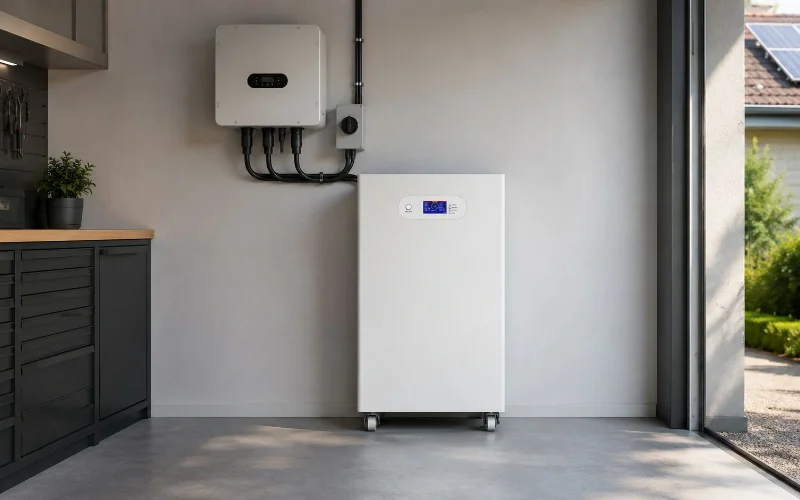
Energy Storage Systems
LiFePO₄ cells are well suited to compact energy storage applications that require repeated cycling and dependable long-term operation. Cell selection can be matched to the required system voltage, capacity, and discharge profile.

Industrial Equipment
Industrial battery systems often require stable performance under regular use and predictable operating conditions. LiFePO₄ cells can be integrated into battery packs for portable equipment, mobile machinery, and other electrically powered industrial devices.
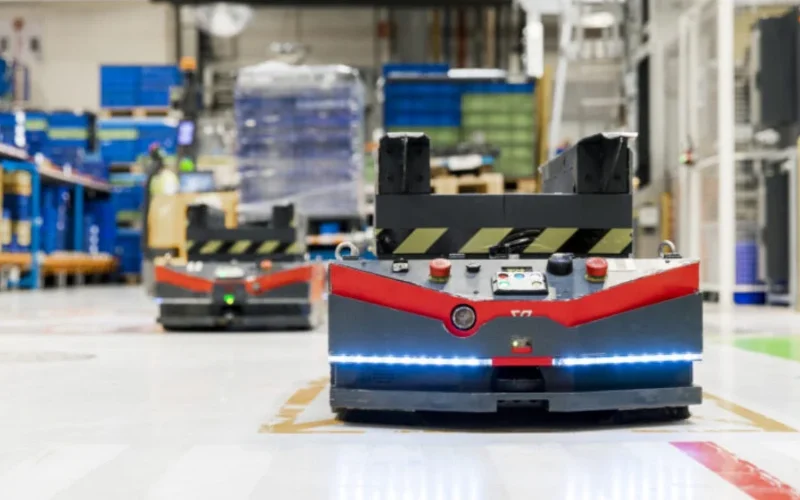
Robotics & AGV
Robots, AGVs, and autonomous mobile equipment depend on battery systems that can support frequent operating cycles and consistent power delivery. Cylindrical LiFePO₄ cells provide flexible options for compact pack layouts and different capacity requirements.
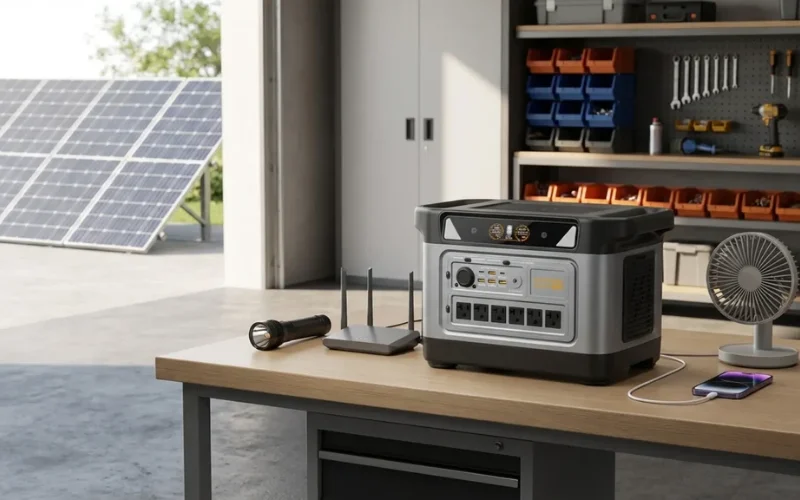
Backup Power & UPS
For backup and standby power systems, battery reliability and service life are important design considerations. LiFePO₄ cells can be configured into packs for equipment that requires dependable power availability during interruptions or temporary outages.

Light Electric Mobility
LiFePO₄ cells can be considered for selected light electric mobility projects where cycle durability, current capability, and battery safety are important. The final cell choice should reflect vehicle load, range expectations, pack size, and discharge requirements.
Compliance & Technical Documentation