
Custom Battery Pack Manufacturer for Industrial Applications
- Application-driven Customization
Choose the Right Battery Pack Development Route
Not every application requires a completely new battery design. Lithogenix evaluates your technical requirements and integration constraints to determine the most practical development route for your project.
Voltage, runtime, peak current, available space, operating temperature, service-life expectations and target cost are considered together before a battery platform is recommended.
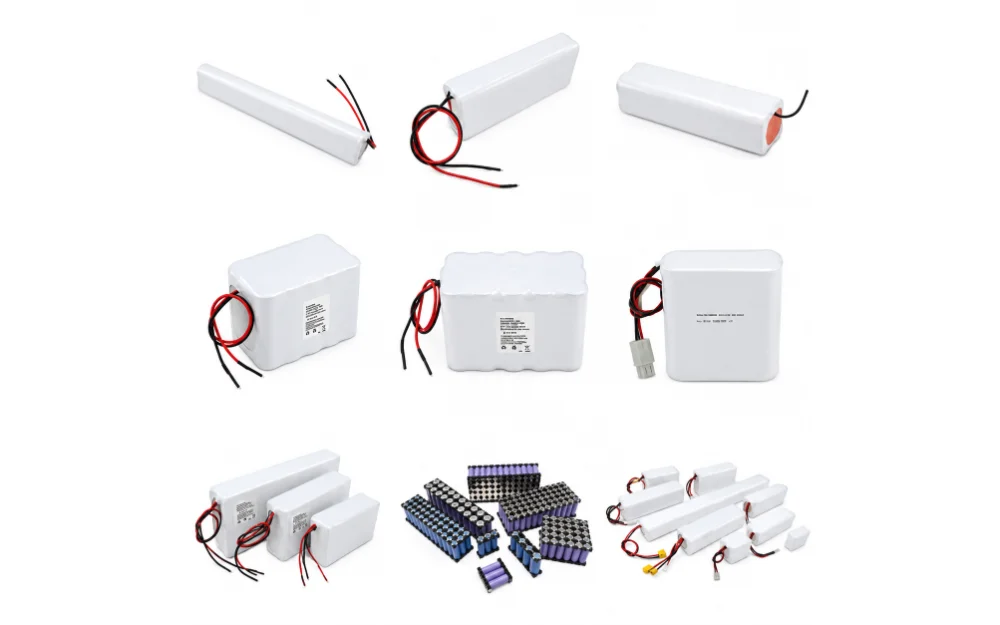
Standard Battery Packs
Select an established battery configuration when its electrical ratings, dimensions and operating conditions already meet your application requirements. Using a qualified cell and protection-system platform can shorten the development cycle and avoid unnecessary engineering costs. Available testing and documentation depend on the selected battery model.
Adapted Standard Battery Packs
Start with an existing battery platform and adapt selected features for integration into your product. Depending on the project, Lithogenix can provide different cable lengths, connector options and mechanical adaptations while retaining the core battery configuration. This route is suitable when the platform meets the main performance requirements but requires installation or connection changes.
Application-Specific Custom Battery Packs
Develop a custom battery pack around the electrical, mechanical and operating requirements of your application. Lithogenix evaluates the required performance and available installation space before defining the cell selection, pack configuration, protection electronics, interconnections, mechanical construction and production-testing approach.
- CUSTOM BATTERY PACK CAPABILITIES
What Lithogenix Can Customize for Your Battery Pack
A custom battery pack must work as part of your complete product—not as an isolated component. Lithogenix evaluates the electrical, mechanical and operating requirements of your application before defining the pack configuration.
Electrical Configuration
The battery platform can be configured around the required voltage, runtime and peak-current demand of your application. These requirements guide cell selection and the final pack architecture.
Cell Selection & Pack Architecture
Lithogenix works with cylindrical and prismatic lithium-ion cells. Available cylindrical formats include 18650, 21700, 14500 and 18500, while application-specific prismatic options can also be evaluated.
Cell format and chemistry are selected according to application requirements, availability and expected lifecycle.
Protection System
Battery packs can incorporate protection against overcharge, overdischarge, overcurrent and short circuit.
The protection configuration is evaluated together with the electrical requirements of the battery pack and its intended operating conditions.
Mechanical Integration
Pack dimensions and mechanical construction can be developed around the available installation space and integration requirements of your product.
The design process can include internal component arrangement, interconnections, enclosure considerations and application-specific mechanical adaptations.
Cables, Connectors & Interconnections
Standard battery packs are available with established lead and connector configurations.
Custom cable lengths, connector options and related integration adaptations can be evaluated according to your product design and connection requirements.
Operating Conditions & Service Life
Operating temperature, usage conditions and service-life expectations influence cell selection and pack construction.
Lithogenix considers these factors together when defining the thermal, mechanical and electrical approach for the battery pack.
- BATTERY PACK ENGINEERING INPUTS
Engineering Inputs That Define the Battery Pack
Every custom battery pack project begins with a clear understanding of the application. Lithogenix reviews the electrical, mechanical and operating requirements together to determine whether a standard, adapted or application-specific battery platform is the most appropriate route.
Providing the following information helps establish a practical starting point for technical evaluation.
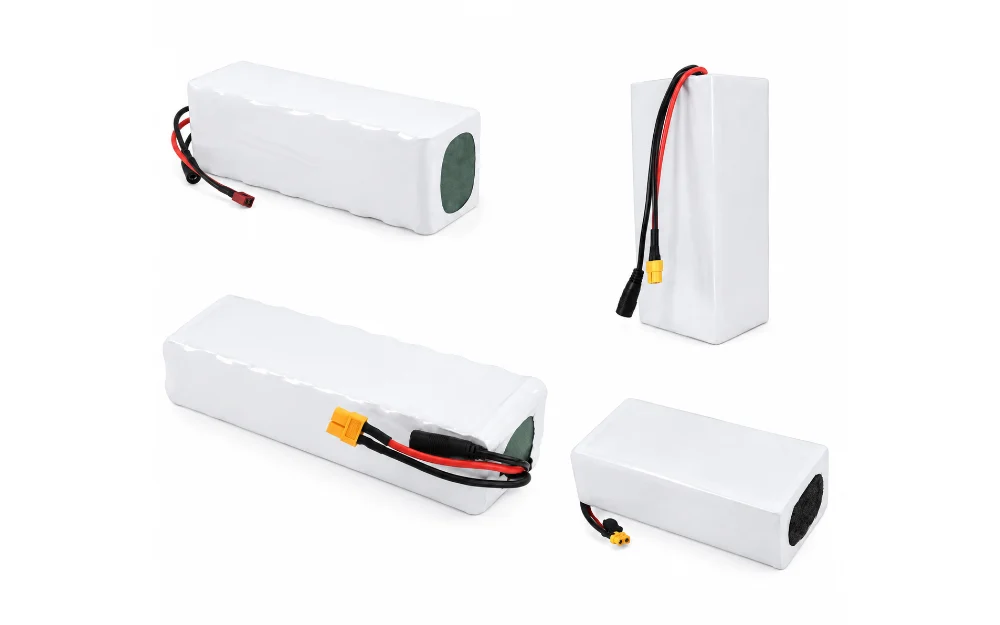
Peak Current Demand
Identify the highest current required during startup or other high-load operating phases. Peak-current demand must be considered when evaluating the cells, protection system and pack configuration.
Target Cost & Project Stage
Share the target cost and indicate whether the project is at the prototype, low-volume or series-production stage. This helps Lithogenix evaluate an appropriate development and production approach.
Specifications do not need to be complete before the first discussion. Share the requirements and constraints currently available, and our team can begin evaluating your battery pack project.
Application & Operating Profile
Tell us what equipment the battery will power and how it will be used. The application and expected operating conditions provide the context for every subsequent design decision.
Voltage & Runtime Requirements
Specify the required operating voltage and expected runtime. These parameters help determine the appropriate cell configuration and available energy for the application.
Operating Temperature & Service Life
Define the expected operating temperature and service-life requirements. These conditions are considered during cell selection and the evaluation of the pack’s electrical, thermal and mechanical construction.
Available Installation Space
Provide the available dimensions and any relevant mechanical constraints within your product. This information influences cell format, component arrangement, enclosure design and connection placement.
- FROM REQUIREMENTS TO PRODUCTION
From Technical Evaluation to Series Production
Lithogenix supports battery pack projects from the initial technical assessment through prototype development and production. The process is structured around the application requirements, selected battery configuration and intended production stage.
Requirements & Development Route
The project begins with a review of the required voltage, runtime, peak current, available space, operating temperature, service-life expectations and target cost.
Cell Selection & Pack Engineering
Suitable cells and battery chemistry are evaluated according to the technical requirements, availability and expected lifecycle of the project.
Prototype & Project Verification
The verification and testing scope is defined according to the selected battery configuration and application requirements. Any required testing or documentation must be confirmed for the specific project.
Controlled Production & Scaling
Lithogenix supports this transition through traceable components, controlled production processes and production testing appropriate to the selected battery pack configuration.
- QUALITY, PROTECTION & DOCUMENTATION
Quality, Protection and Documentation by Configuration
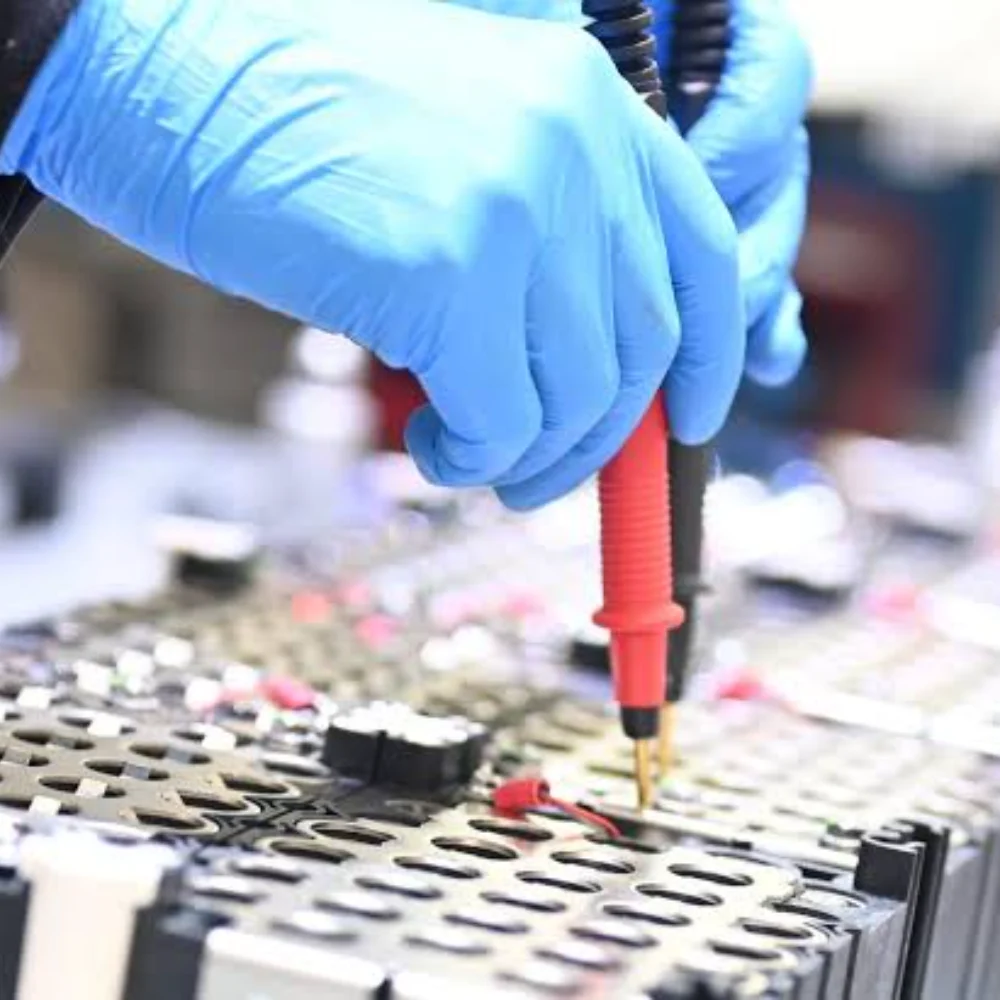
Battery pack quality depends on more than the selected cells. Component traceability, protection design, controlled production processes and appropriate testing must be considered as part of the complete battery configuration.
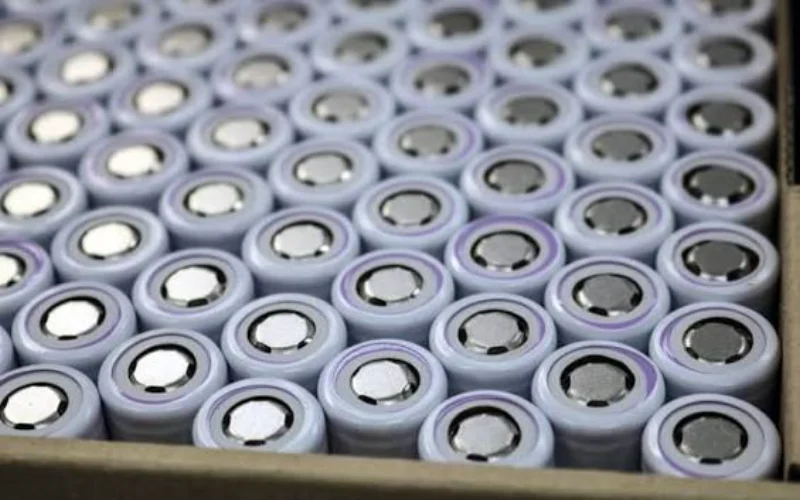
Cell & Component Quality
Cell format and chemistry are evaluated according to the electrical requirements, expected operating conditions, component availability and intended lifecycle. The specific cell model and component configuration are confirmed for each project.
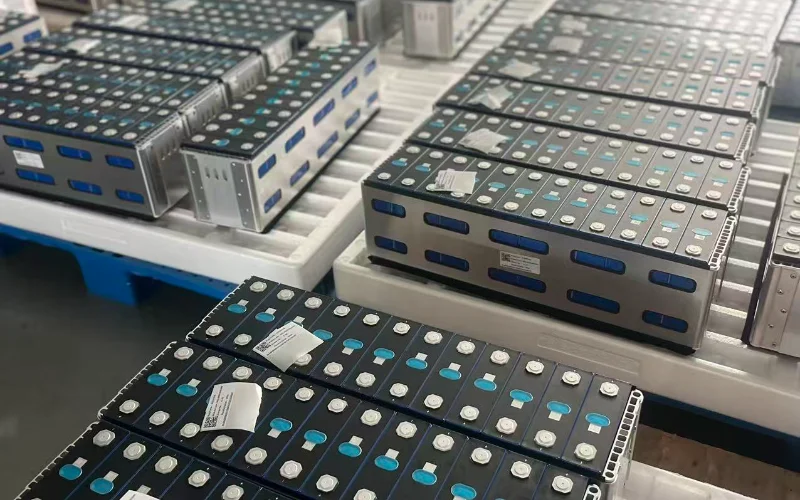
Pack Protection & Production Control
The selected protection configuration is supported by controlled production processes and production testing appropriate to the battery pack design. The exact protection and testing scope depends on the final electrical and mechanical configuration.
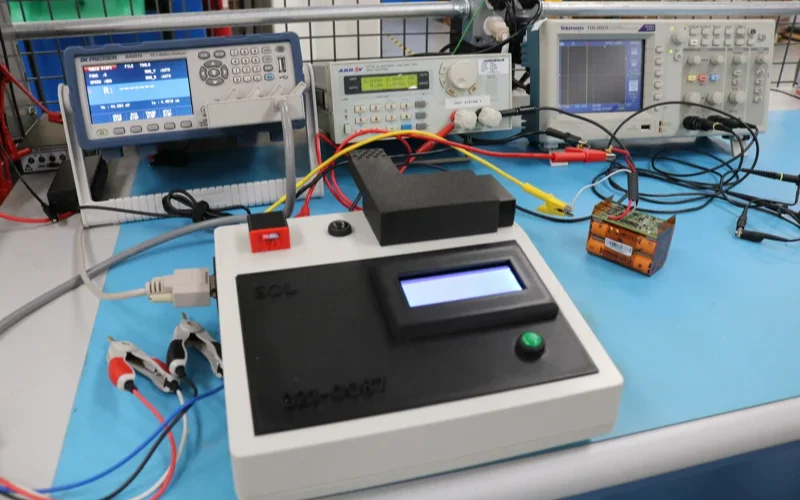
Testing & Documentation
Depending on the selected battery model and project configuration, testing or documentation may be available in relation to UN 38.3, IEC 62133-2 and relevant cell safety information.
Requirements can vary according to the battery configuration, application and de
- FAQs
FREQUENTLY ASKED QUESTIONS
Start with the intended application, required voltage, runtime, peak current, available installation space, operating temperature, expected service life and target cost.
It is also helpful to indicate whether the project is at the prototype, low-volume or series-production stage. If some specifications are not yet finalized, Lithogenix can begin the technical evaluation using the requirements and constraints currently available.
No. A standard battery pack may be suitable when an established configuration already meets the electrical, mechanical and operating requirements of the application.
If only selected integration features need to change, an existing platform may be adapted with different cable lengths, connectors or mechanical features. An application-specific battery pack is considered when the project requires a dedicated electrical and mechanical configuration.
Lithogenix works with cylindrical and prismatic lithium-ion cells.
Available cylindrical formats include 18650, 21700, 14500 and 18500. Application-specific prismatic cell options can also be evaluated. The final cell format and chemistry are selected according to the project requirements, component availability and expected lifecycle.
Yes. Depending on the project, Lithogenix can evaluate custom cable lengths, connector options and mechanical adaptations.
These features are defined according to the available installation space, connection requirements and mechanical constraints of the customer’s product.
Battery packs can incorporate protection against overcharge, overdischarge, overcurrent and short circuit.
The protection configuration is evaluated together with the voltage, peak-current demand, cell configuration and intended operating conditions of the battery pack.
Yes. Lithogenix supports projects from prototype development and low-volume requirements through scalable series production.
The production approach is defined according to the selected battery configuration, project stage and expected production requirements.
Testing or documentation related to UN 38.3, IEC 62133-2 and relevant cell safety information may be available for selected battery models and configurations.
Availability is not the same for every battery pack. The required testing scope, documentation and compliance status must be confirmed according to the final configuration, intended application and destination market.