
Lithium Battery Technology for Longer Life, Higher Power, and Safer Systems
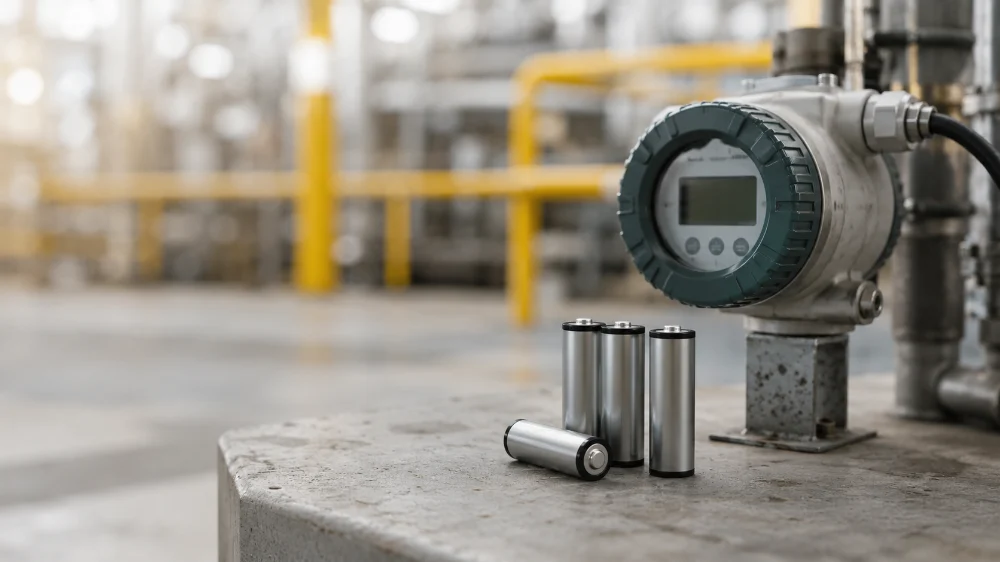
- LONG-LIFE PRIMARY BATTERY PERFORMANCE
Reliable Power for Extended, Unattended Operation
Our long-life primary lithium battery technology is developed to reduce self-discharge, maintain stable output, and perform across demanding temperature conditions. It supports devices expected to operate for extended periods with limited access for battery replacement.
- Low self-discharge during storage and operation
- Stable performance across changing temperatures
- Consistent output for long-term, low-power devices
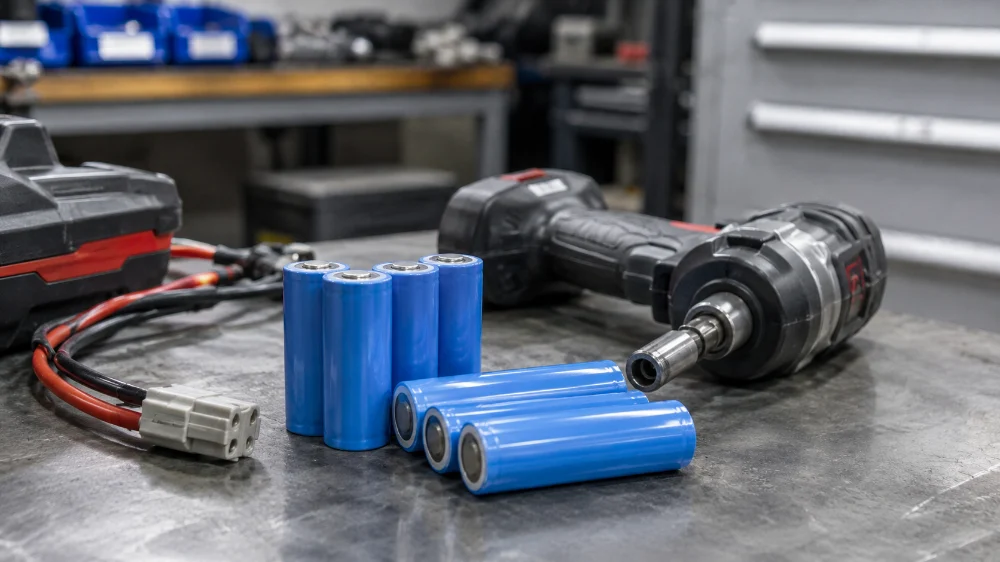
- HIGH-RATE POWER DELIVERY
Built for Demanding Loads and Rapid Energy Release
High-rate battery design focuses on delivering strong continuous current and short bursts of peak power without excessive voltage drop or heat buildup. Cell selection, internal resistance, discharge profile, and thermal behavior are evaluated against the actual load of the device.
- Stable voltage under continuous high loads
- Strong pulse output for peak-demand events
- Controlled resistance and heat generation
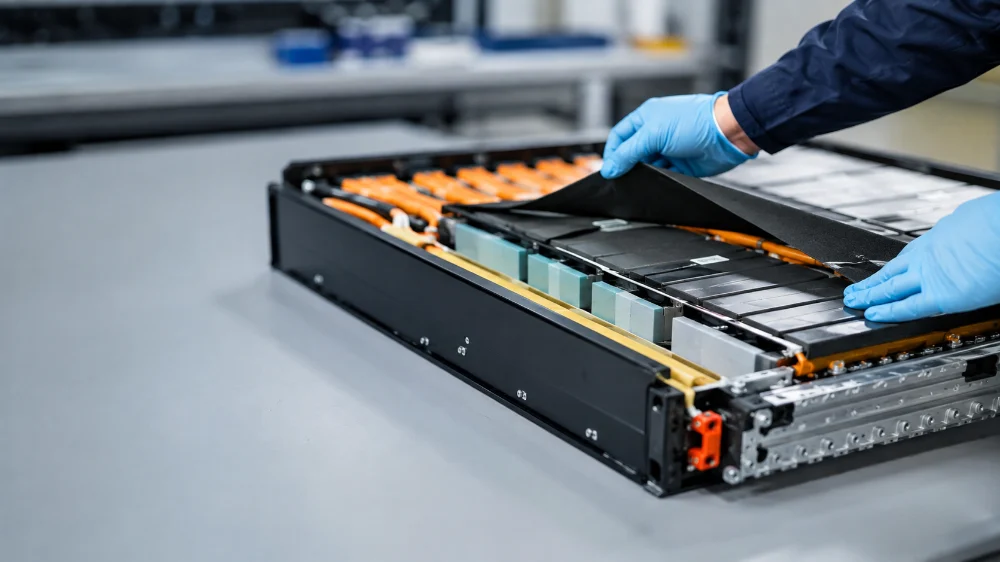
- SAFETY BY DESIGN
Protection Starts Before Production
Battery safety begins with the right chemistry, cell format, electrical protection, insulation, and mechanical structure. These elements are defined during development to reduce the risks of overcharge, over-discharge, short circuit, overheating, and physical damage.
- Chemistry and cell format selected for the operating environment
- Electrical protection matched to the battery configuration
- Insulation, spacing, and housing designed to limit failure risks
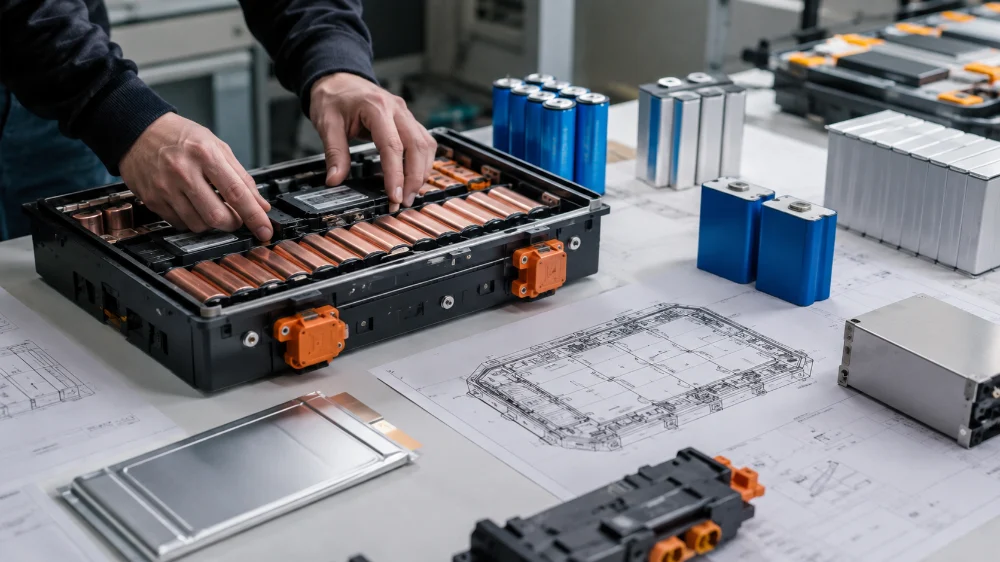
- CELL & PACK ARCHITECTURE
The Right Structure for the Space Available
Cell format, series-parallel layout, mechanical support, and electrical interconnection are planned as one system. The resulting architecture must fit the device, deliver the required energy, and remain practical to assemble, install, and service.
- Cell layout optimized for available space and weight limits
- Series-parallel configuration matched to voltage and capacity targets
- Structural supports and interconnections designed for secure integration
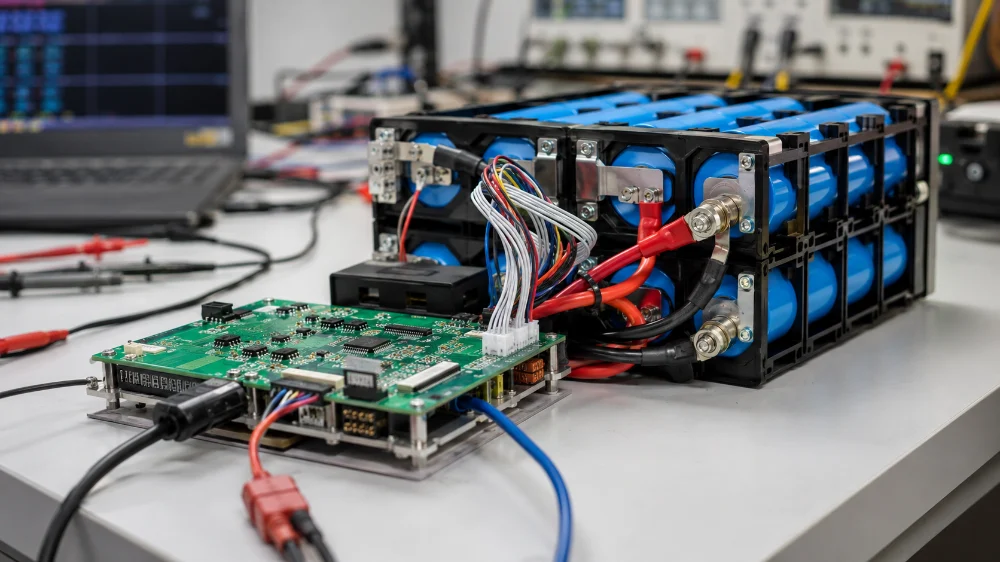
- BATTERY MANAGEMENT & PROTECTION INTEGRATION
Control, Monitoring, and Protection in One System
PCB, PCM, and BMS functions are selected according to the battery’s electrical behavior and the host device’s control requirements. Protection logic, sensing, balancing, and communication are integrated to maintain safe operation and provide the device with the data it needs.
- Overcharge, over-discharge, overcurrent, and short-circuit protection
- Voltage, current, and temperature monitoring
- Cell balancing and communication interface integration