
Industrial Battery Backup Solutions for Critical Equipment
- INDUSTRIAL BACKUP POWER REQUIREMENTS
What Industrial Backup Systems Require from Their Batteries
Industrial backup power must be designed around the actual electrical demand of the equipment it protects. System voltage, continuous load, short-duration peaks, required backup time, charging conditions, and available installation space all influence the battery configuration.
A suitable backup battery therefore needs to do more than provide sufficient capacity. It must remain ready during standby, respond when the main power source is interrupted, and recover appropriately once normal power is restored.
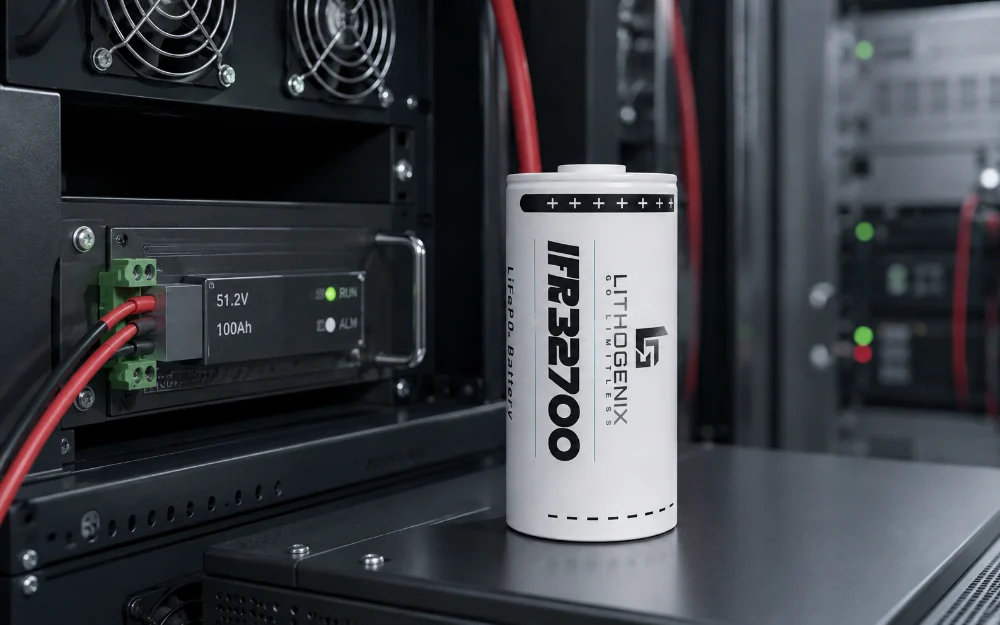
Load & Power Demand
Continuous consumption and short peak loads should be evaluated together so the battery can support both normal backup operation and temporary high-demand events.
Required Backup Runtime
The target runtime determines how much usable energy the system needs, whether the objective is short-term bridging power or extended operation during an outage.
System Voltage & Charging
Battery voltage, charging method, recovery time, and electrical interface must align with the UPS, control equipment, or DC power architecture of the application.
Installation & Operating Environment
Cabinet space, mounting arrangement, ambient temperature, ventilation, and service access all need to be considered when defining the final battery pack or module configuration.
- SMART METER POWER PLATFORMS
Built for Reliable Industrial Backup Power
Lithogenix LiFePO₄ cylindrical cells provide a rechargeable power platform for industrial backup systems that require dependable standby readiness, efficient discharge, and repeated cycling. Their electrical characteristics make them well suited to battery packs used in UPS, telecom backup, and other critical power applications.
Cell selection can be matched to the required discharge rate, operating cycle, and backup duty of the target system before being configured into a finished battery pack or module.
LiFePO₄ Cylindrical Cells

Explore Our LiFePO₄ Cylindrical Cells
Rechargeable Power for Industrial Backup Systems
Lithogenix LiFePO₄ cylindrical cells are designed for rechargeable backup applications that require dependable standby readiness and efficient power delivery when primary power is interrupted. Low internal resistance, high-rate discharge capability, and long cycle life make them a practical cell platform for industrial UPS, telecom backup, backup energy storage, and other critical power systems.
Key Characteristics
- Low internal resistance for efficient power delivery
- High C-rate capability for demanding backup loads
- Long cycle life for repeated standby and recharge operation
- Controlled thermal performance during discharge
- Suitable for configurable battery packs and modules
Typical Applications
Industrial UPS · Telecom Base Station Backup · Backup Energy Storage · Critical Equipment Power
- CUSTOM BATTERY PACK INTEGRATION
Configured Around Your Backup Power System
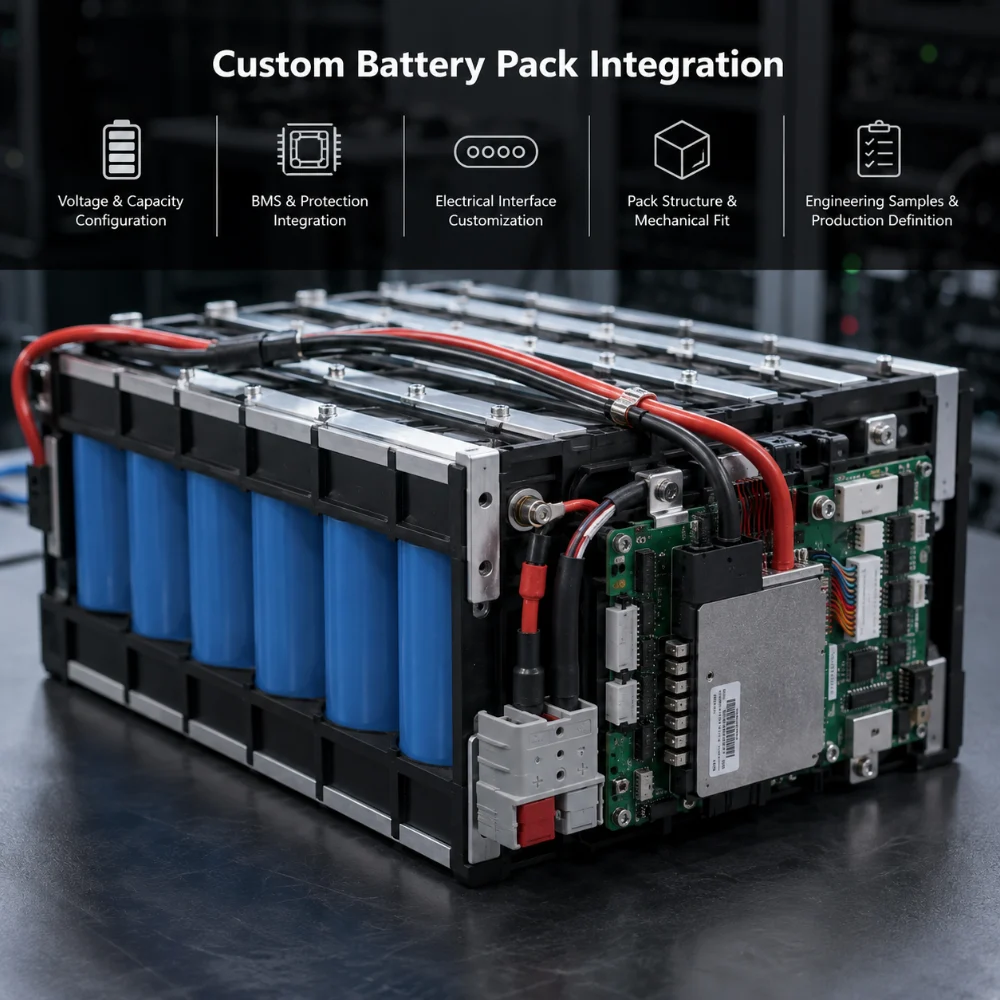
Industrial backup projects often require more than a standard battery format. Lithogenix configures LiFePO₄ cells into battery packs and modules according to the required system voltage, backup runtime, load profile, charging method, installation space, and electrical interface.
The goal is to define a battery configuration that can be integrated into the customer’s UPS, control equipment, or critical power system without forcing the surrounding equipment to adapt around a fixed pack design.
Voltage & Capacity Configuration
Series and parallel cell arrangements can be defined according to the required system voltage, continuous load, peak demand, and target backup runtime.
BMS & Protection Integration
Battery packs can incorporate monitoring and protection functions for voltage, current, temperature, overcharge, over-discharge, overcurrent, and short-circuit conditions according to the project requirements.
Electrical Interface Customization
Connectors, terminals, wiring, cable length, polarity, and communication interfaces can be adapted to match the UPS, DC bus, charger, or industrial equipment being supported.
Pack Structure & Mechanical Fit
Housing dimensions, mounting direction, fixing points, insulation, service access, and installation space are considered when defining the final pack or module structure.
- UPS & CRITICAL POWER
Battery Solutions for Industrial UPS and Critical Equipment
Industrial UPS and critical power systems depend on the battery to take over when the primary power source is interrupted. Lithogenix supports the battery side of these systems with configurable LiFePO₄ packs and modules designed around the required voltage, load, backup runtime, charging method, and installation conditions.
The objective is to ensure that the battery configuration fits the electrical architecture of the UPS or protected equipment while providing the energy and discharge capability required during an outage.
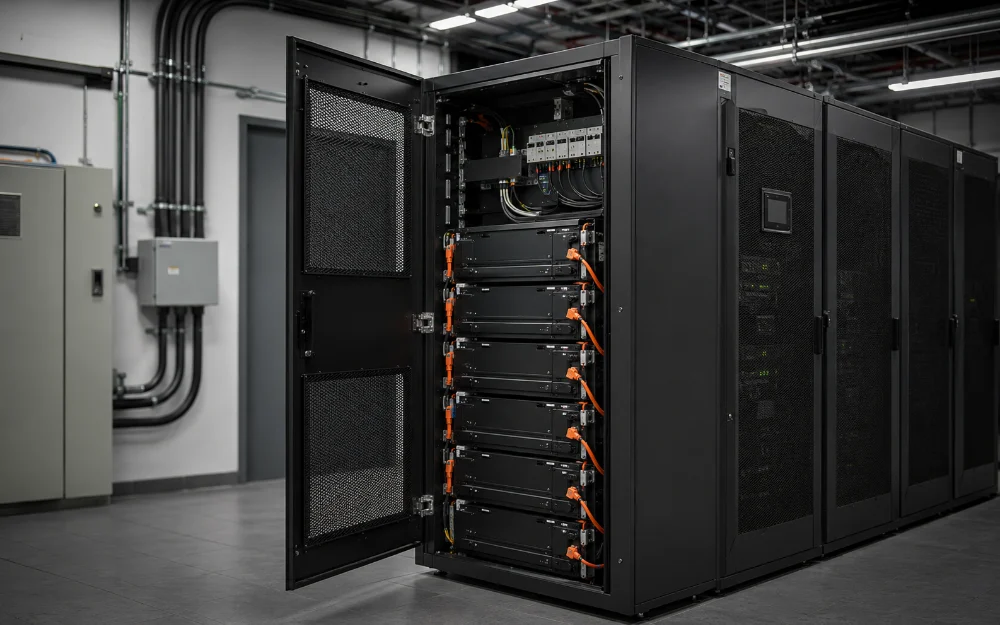
UPS Battery Integration
LiFePO₄ battery packs can be configured as the backup energy source for industrial UPS systems, supporting short bridging periods or longer runtime requirements depending on the protected load.
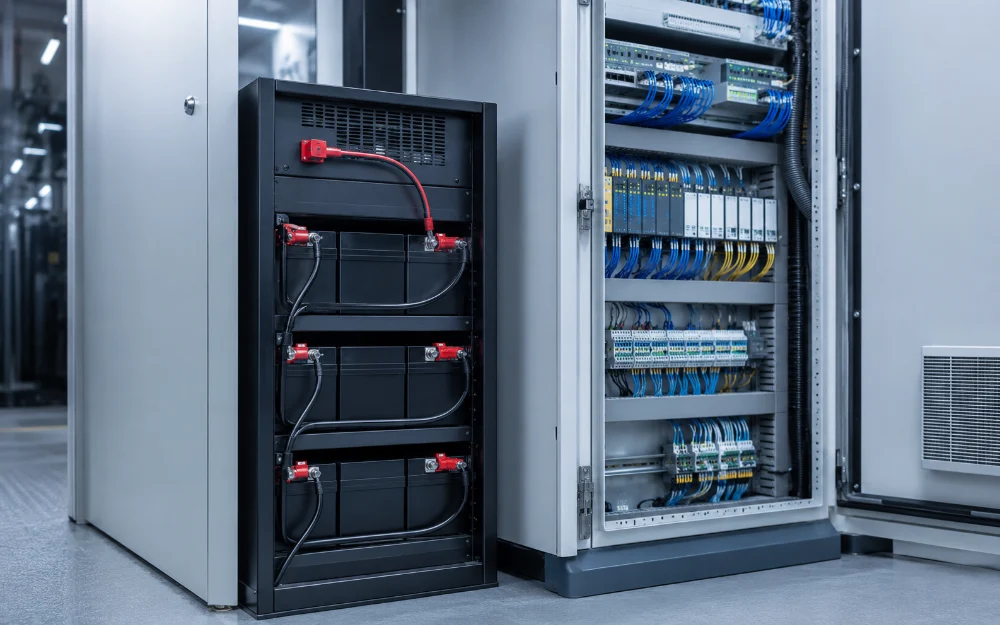
Critical Equipment Backup
Battery solutions can support industrial controllers, communication equipment, network hardware, monitoring systems, and other electronics that must remain powered when the main supply is unavailable.
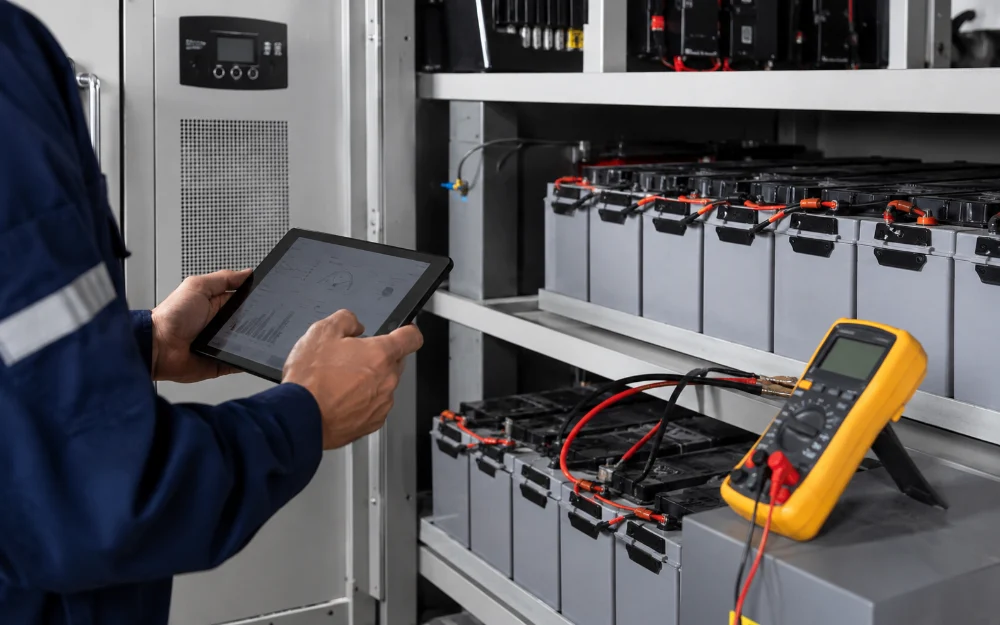
Runtime Matching
Required backup duration is evaluated together with system voltage, continuous load, and peak demand so that usable battery capacity can be matched to the actual operating requirement.
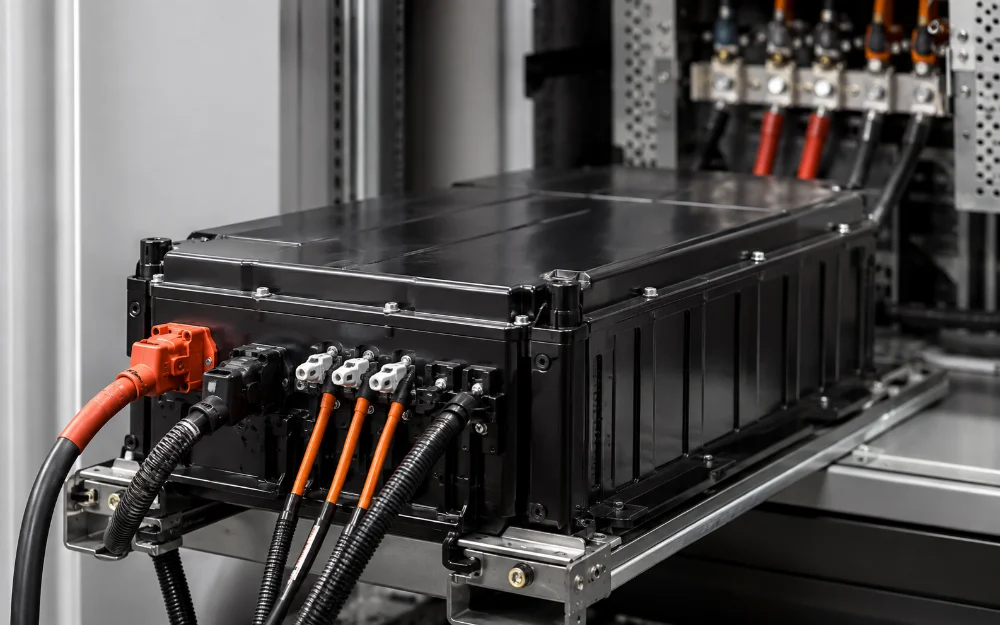
System Compatibility
Pack voltage, charging conditions, BMS settings, connectors, and electrical interfaces can be reviewed against the UPS, charger, or DC power architecture before final configuration.
- TYPICAL INDUSTRIAL BACKUP APPLICATIONS
Backup Power Across Critical Industrial Systems
Industrial backup batteries support equipment that cannot simply shut down when the primary power supply is interrupted. Lithogenix develops LiFePO₄ battery configurations for industrial systems where continuity, controlled shutdown, communication, or essential functions must remain available during a power outage.
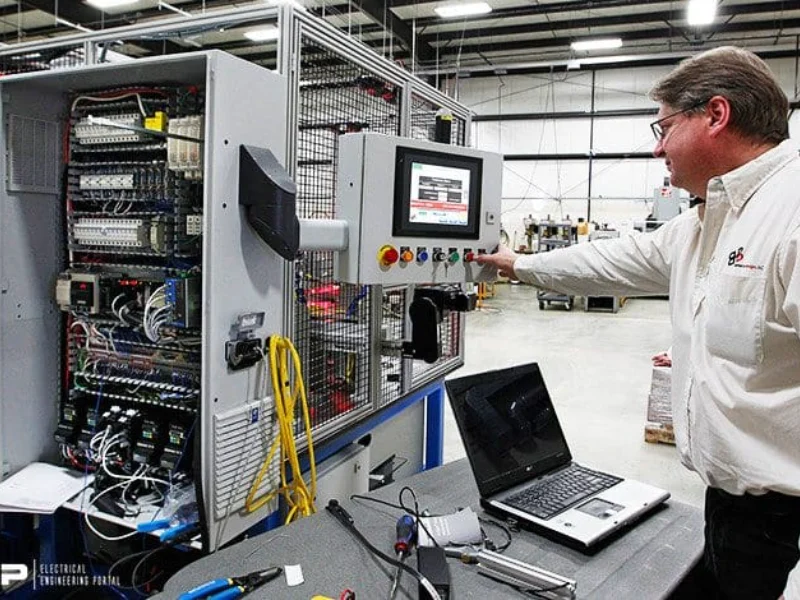
Industrial Control & Automation
Backup power for PLCs, control cabinets, automation controllers, and industrial electronics that need to preserve control logic, process data, or essential functions during temporary power interruptions.
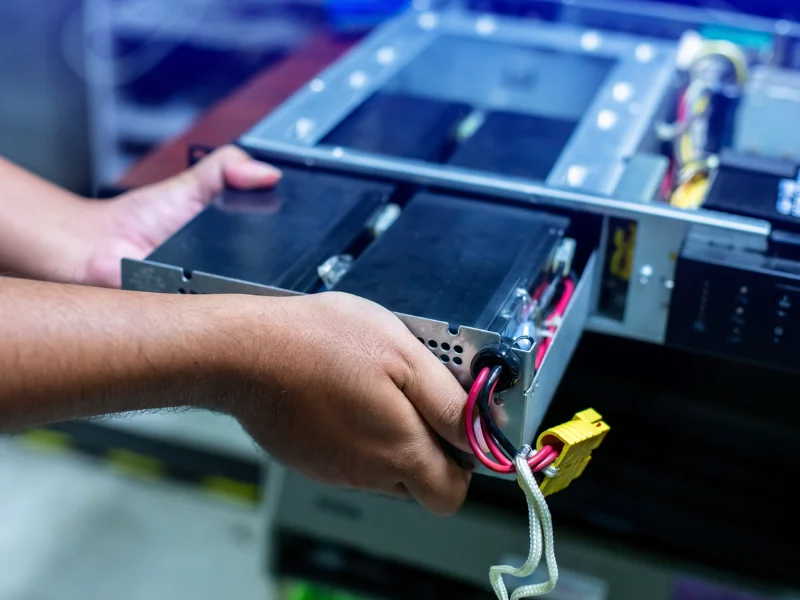
UPS & Critical Electronics
Battery configurations for industrial UPS systems, servers, network hardware, and other critical electronics requiring dependable power continuity when the main supply is unavailable.
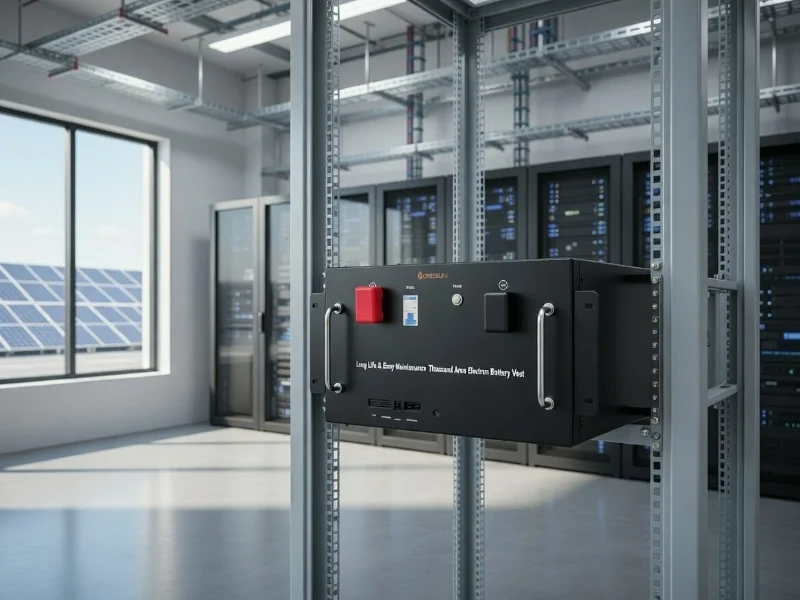
Telecom Base Station Backup
Rechargeable backup power for telecom base stations, communication cabinets, and network infrastructure that must remain operational through utility outages or unstable grid conditions.

Remote & Utility Infrastructure
Battery solutions for remote stations, utility equipment, monitoring infrastructure, and field installations where power interruptions and limited maintenance access can affect continuous operation.
- FAQs
FREQUENTLY ASKED QUESTIONS
An industrial battery backup system provides stored electrical energy when the primary power source is interrupted or unavailable. Depending on the application, the battery may support short-term bridging power, controlled shutdown, communication continuity, or extended operation of critical equipment.
LiFePO₄ can be a strong option for industrial UPS and backup applications that require rechargeable operation, repeated cycling, and configurable voltage and capacity. Final suitability depends on the UPS charging profile, system voltage, discharge load, required runtime, and BMS requirements.
Battery sizing should be based on system voltage, continuous load, peak demand, required backup runtime, allowable depth of discharge, conversion losses, and operating conditions. Nominal capacity alone is not enough to define the final pack specification.
Yes. Lithogenix can evaluate custom voltage, capacity, series-parallel configuration, BMS functions, connectors, wiring, housing dimensions, mounting requirements, and electrical interfaces according to the target equipment or backup system.
Yes, provided the battery requirements are compatible with the UPS architecture. The existing system’s operating voltage, charging method, maximum charge current, discharge load, communication requirements, and installation space should be reviewed before a replacement or custom battery configuration is defined.
Useful information includes charge voltage, charge current, charging algorithm, recovery-time requirement, operating temperature, and whether the charger communicates with the BMS. These parameters help determine whether the proposed battery pack is compatible with the existing charging system.