
Battery Solutions for Remote Monitoring Systems
- Remote Monitoring Power Requirements
What Remote Monitoring Systems Require from Their Batteries
Remote monitoring devices are often deployed for long periods in locations where routine maintenance or battery replacement is difficult. Their power systems must support very low standby consumption while remaining ready for sensing, data processing, and periodic wireless transmission.
Battery selection therefore depends on the complete operating profile of the device, including sleep current, active current, transmission frequency, peak load, operating temperature, available space, and the required service interval.
Battery selection therefore involves more than nominal voltage and capacity. Available space, device thickness, storage conditions, operating temperature, expected runtime, and electrical interface all need to be considered before a cell is integrated into the final product.
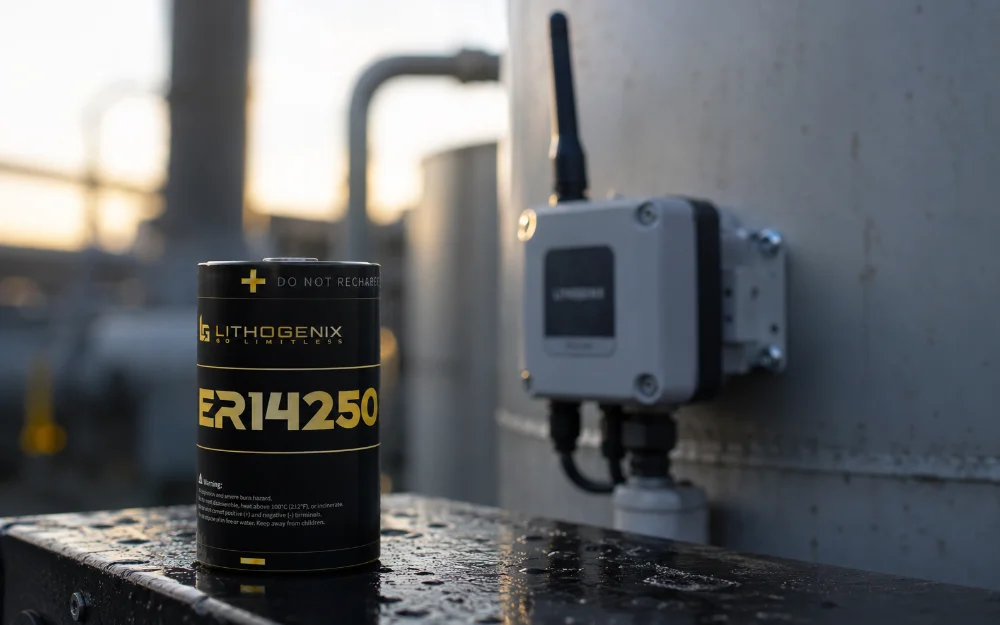
Long Unattended Operation
Low self-discharge and efficient energy use are critical for sensors and monitoring terminals expected to remain in the field for extended periods without regular battery replacement.
Low Standby, Periodic Activity
Many remote monitoring devices spend most of their time in a low-power state and wake only to measure, process, or report data, making standby consumption a major factor in battery life.
Wireless Transmission Peaks
Communication events can create short periods of higher current demand, so the battery must be evaluated against both average consumption and peak-load behavior.
Field-Ready Integration
Operating temperature, enclosure space, voltage requirements, terminals, connectors, and mounting conditions all need to be matched to the actual deployment environment and device design.
- BATTERY PLATFORMS
Power Architectures for Different Remote Monitoring Loads
Remote monitoring devices can operate very differently in the field. Some remain asleep for long periods and wake only to transmit data, while others measure, process, or communicate more frequently. Battery selection should therefore be based on the complete load profile rather than nominal capacity alone.
Lithogenix can evaluate different primary lithium and hybrid power configurations according to standby consumption, peak current, reporting interval, temperature, available space, and target service life.
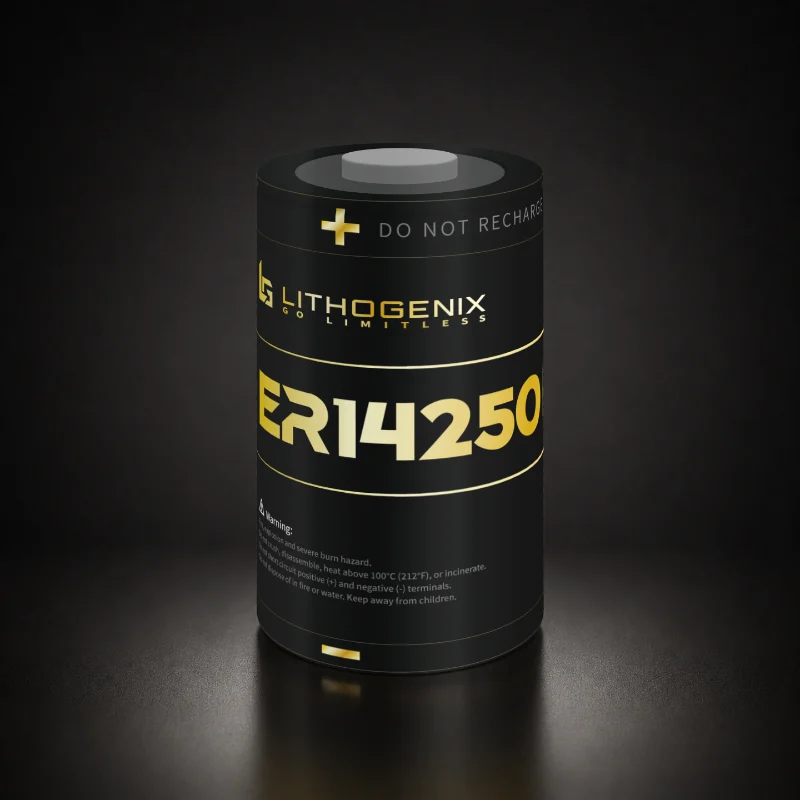
Li-SOCl₂ Primary Batteries
Explore Our Li-SOCl₂ Batteries
Long-Life Power for Unattended Monitoring
Li-SOCl₂ batteries are well suited to remote sensors and monitoring terminals that operate at very low average current and may remain in the field for extended periods without routine battery replacement.
Key Characteristics
- Low-power remote sensor nodes
- Environmental monitoring devices
- Utility and infrastructure monitoring
- Long-interval data acquisition systems
Provides the long-term stored energy required for standby operation, sensing, processing, and periodic communication.
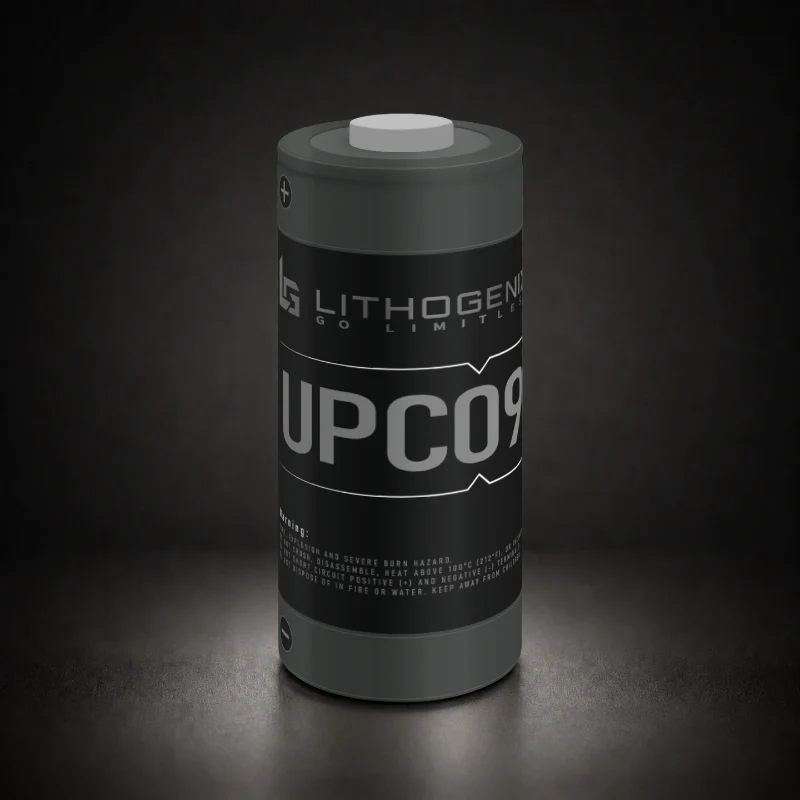
Li-SOCl₂ + Battery Capacitor
Explore Our Battery Capacitors
Hybrid Power for Periodic Wireless Transmission
Some monitoring devices consume very little energy during standby but require a short burst of higher current when the wireless module wakes and transmits data. In these systems, a Li-SOCl₂ battery can provide long-term energy while a battery capacitor supports short-duration peak loads.
Key Characteristics
- ireless remote monitoring terminals
- LoRa, NB-IoT, or cellular-connected sensors
- Devices with intermittent high-current transmission
- Long-life monitoring systems with periodic communication
Separates long-term energy supply from peak-power delivery, allowing each component to support a different part of the device load profile.
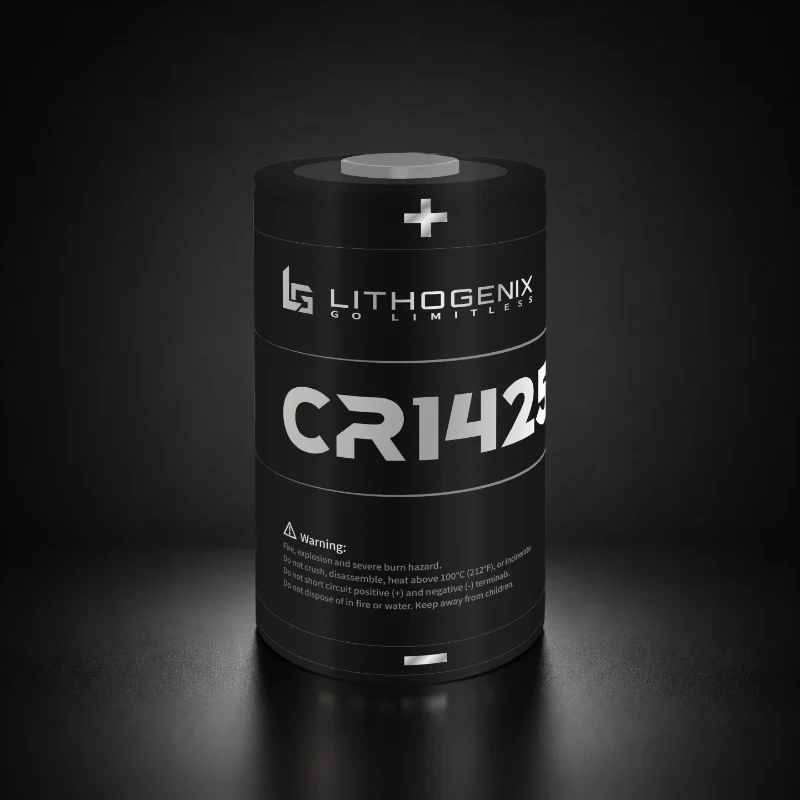
Li-MnO₂ Batteries
Explore Our Battery Capacitors
Higher-Power Primary Option for More Active Sensors
Li-MnO₂ batteries can be considered for monitoring devices with more frequent sensing, processing, or communication activity where the discharge profile differs from typical ultra-low-power, long-standby applications.
Key Characteristics
- Condition-monitoring sensors
- Vibration and motion monitoring devices
- More frequently active sensor nodes
- Compact industrial monitoring equipment
Provides primary lithium power for applications requiring a different balance between energy capacity, discharge behavior, and device activity.
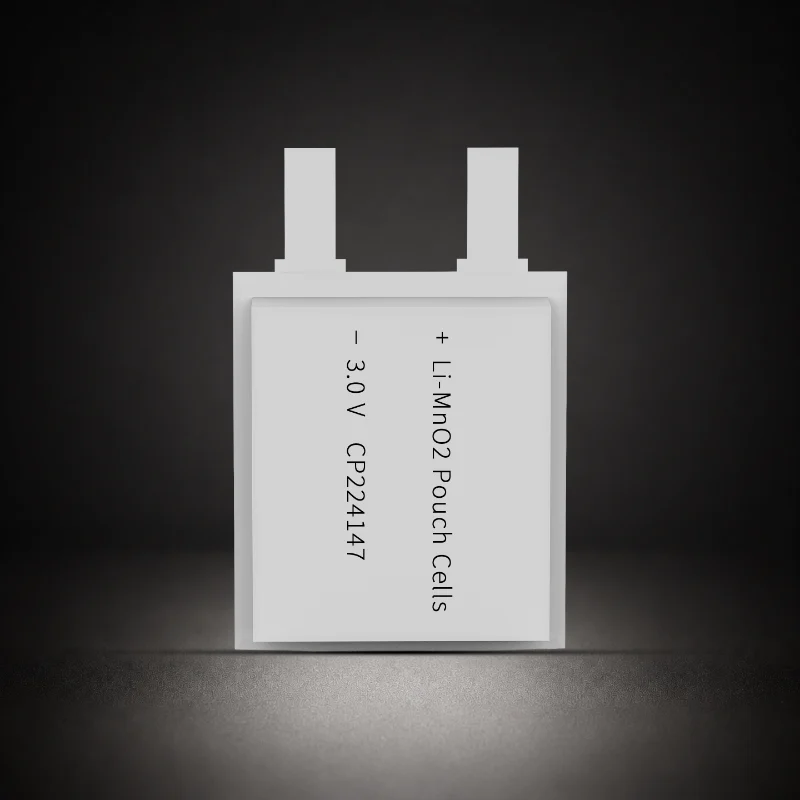
Li-MnO₂ Pouch Cells
Explore Our Li-MnO₂ Pouch Cells
For Space-Constrained Remote Sensors
When enclosure thickness or internal geometry limits the use of conventional cylindrical cells, Li-MnO₂ pouch cells offer a thin and adaptable format for compact monitoring devices.
Key Characteristics
- Ultra-thin wireless sensors
- Compact tracking devices
- Small monitoring terminals
- Space-limited electronic modules
- OEM DESIGN-IN SUPPORT
Integrating the Battery Around Your Monitoring Device
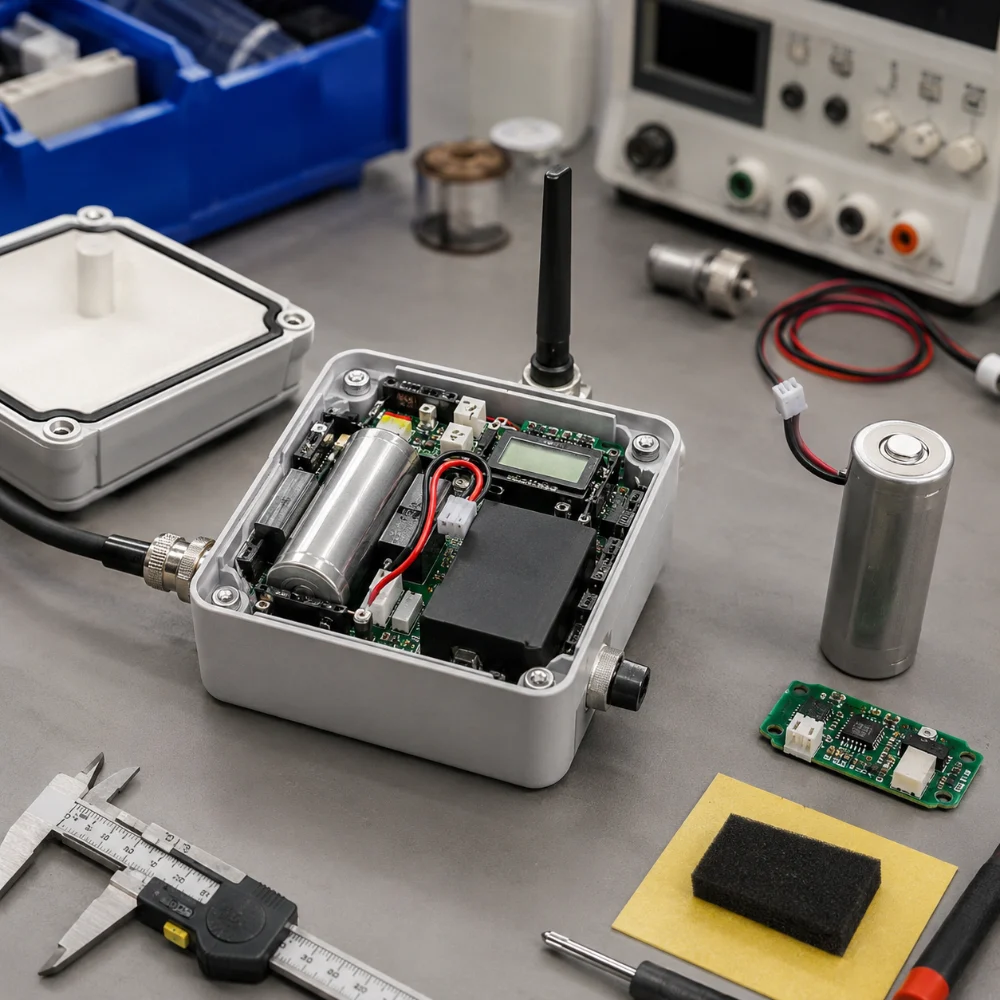
Remote monitoring systems often operate with very different power profiles depending on how frequently they wake, measure, process, and transmit data. Lithogenix works with OEM teams to translate these operating conditions into a defined battery configuration that fits both the electrical load and the physical structure of the device.
Battery selection and integration can be reviewed early in development so that voltage, capacity, pulse demand, dimensions, terminals, and connection methods are aligned before the design moves toward sampling and production.
Load Profile Review
Sleep current, active current, transmission peaks, reporting interval, and expected operating life are evaluated together to establish the power requirements of the monitoring device.
Electrical Configuration
Battery voltage, capacity, polarity, terminals, wires, connectors, and cable length can be matched to the device interface and installation requirements.
Mechanical Integration
Cell dimensions, available enclosure space, mounting orientation, insulation, and fixing methods are considered to support practical integration into compact sensors and remote monitoring terminals.
Engineering Samples
Prototype configurations can be prepared for fit, electrical compatibility, and initial device evaluation before the approved design is documented for production.
- FIELD RELIABILITY
Built for Long-Term, Unattended Deployment
Remote monitoring equipment is often installed where routine battery replacement is inconvenient, expensive, or disruptive. A reliable power strategy must therefore consider not only how long the battery can operate, but also how storage time, temperature, communication frequency, and real-world duty cycles affect performance in the field.
Lithogenix evaluates these conditions together to help OEMs define battery configurations that support longer service intervals and more predictable maintenance planning.
Low Self-Discharge
For devices that spend most of their time in standby, minimizing energy loss during long inactive periods is essential to preserving usable capacity throughout deployment.
Service Interval Planning
Battery life should be estimated from actual sleep current, active current, transmission frequency, pulse duration, and expected operating conditions rather than nominal capacity alone.
Temperature & Storage Conditions
Storage duration and field temperature can influence available energy and discharge behavior, making environmental conditions an important part of battery evaluation before deployment.
Fewer Maintenance Visits
Extending the interval between battery replacements can reduce technician visits, equipment downtime, and operating costs for monitoring devices installed in remote or difficult-to-access locations.
- TYPICAL REMOTE MONITORING APPLICATIONS
Powering Remote Sensors Across Field Applications
Remote monitoring systems are deployed across industrial, utility, environmental, and infrastructure applications where continuous data collection must continue without frequent on-site maintenance. Lithogenix supports battery configurations for monitoring devices with different reporting intervals, installation conditions, and service-life targets.
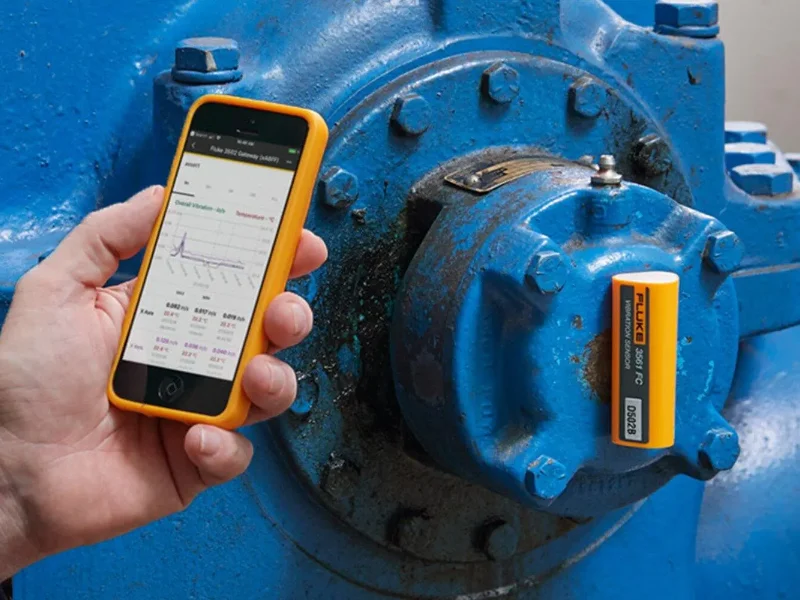
Wireless Condition & Vibration Sensors
Battery power for wireless sensors used to monitor vibration, motion, temperature, and equipment condition in predictive maintenance and industrial monitoring programs.
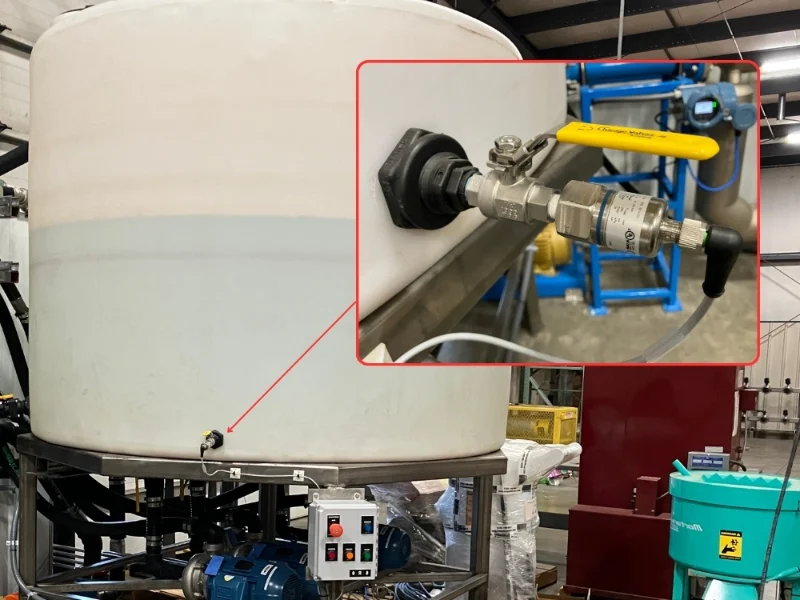
Tank & Level Monitoring
Long-term power for remote devices that track liquid level, tank status, or other process data in locations where regular battery replacement may be inconvenient.
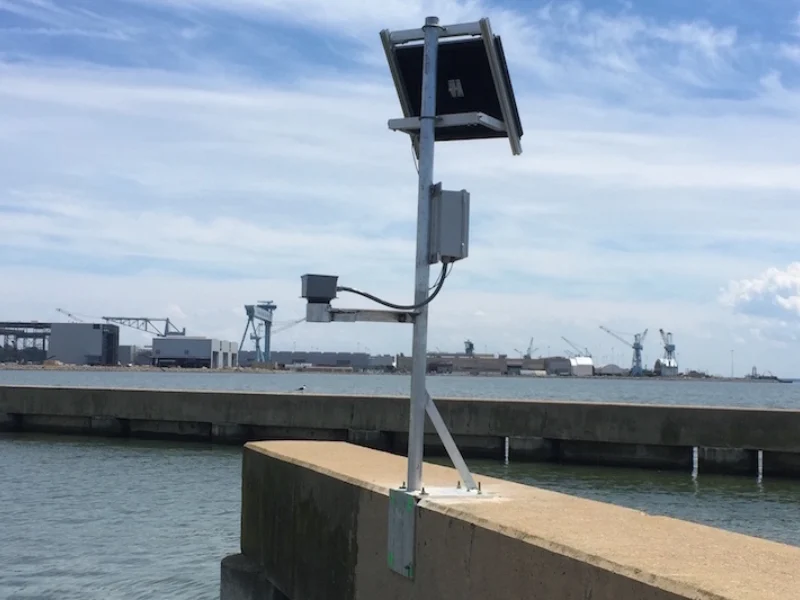
Environmental & Utility Monitoring
Battery solutions for distributed sensors measuring environmental or utility conditions such as temperature, humidity, water systems, and other field data.
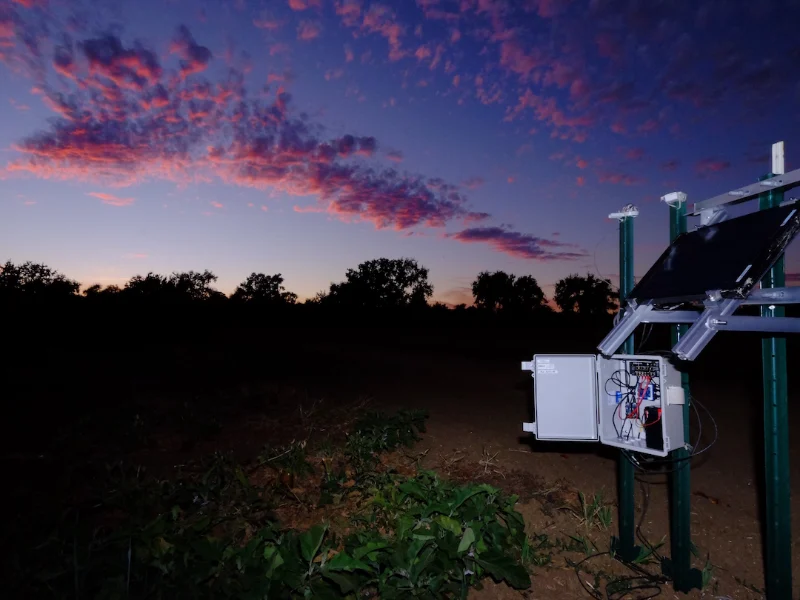
Remote Infrastructure & Field Sensors
Power configurations for monitoring terminals installed on outdoor assets, infrastructure, and difficult-to-access sites requiring extended unattended operation.
- FAQs
FREQUENTLY ASKED QUESTIONS
The right battery depends on the device’s average power consumption, transmission peaks, reporting interval, operating temperature, available space, and target service life. Li-SOCl₂ batteries are often considered for long-life, low-power monitoring nodes, while other primary or hybrid configurations may be more suitable for devices with different load profiles.
Battery life should be evaluated using the complete duty cycle rather than nominal capacity alone. Sleep current, active current, sensing duration, communication frequency, transmission peaks, temperature, and storage time all influence the expected service interval.
A device may consume very little power while sleeping but require significantly more current when a wireless module wakes and transmits data. These short peak loads can affect voltage stability and must be considered separately from average energy consumption.
A battery capacitor can support monitoring devices that combine long periods of low-power operation with short, higher-current communication events. In a hybrid configuration, the primary battery supplies long-term energy while the capacitor supports peak-power demand.
Primary batteries are often suitable for low-power devices expected to operate unattended for long periods without access to charging. Rechargeable systems may be considered when the device has a reliable charging source, such as external power or solar energy, or when its operating cycle requires frequent energy replenishment.