
Battery Solutions for Medical Device Manufacturers
- MEDICAL DEVICE POWER REQUIREMENTS
What Compact Medical Devices Require from Their Batteries
Wearable patches, biosensors, and portable monitors place strict demands on battery size, weight, storage life, and electrical performance. The power source must fit within increasingly compact device designs while providing dependable energy throughout the intended operating period.
Battery selection therefore involves more than nominal voltage and capacity. Available space, device thickness, storage conditions, operating temperature, expected runtime, and electrical interface all need to be considered before a cell is integrated into the final product.
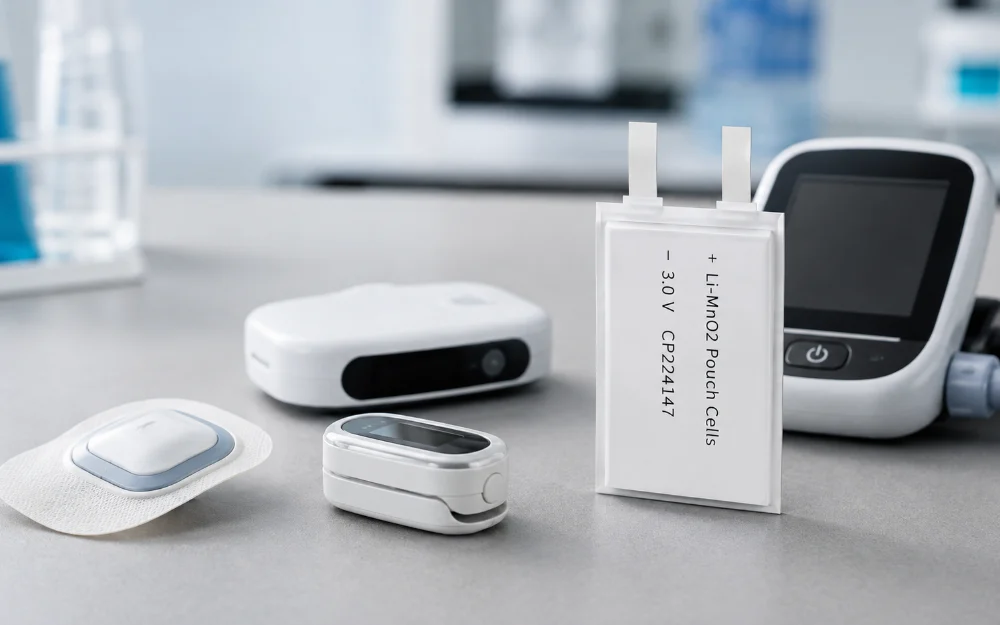
Compact & Lightweight Design
Thin battery construction helps reduce the space and weight occupied by the power source in wearable, handheld, and portable medical devices.
Long Storage Readiness
Low self-discharge and extended shelf life are important for devices that may remain in inventory or standby for long periods before use.
Performance Across Temperatures
Battery performance must remain dependable across the storage and operating conditions expected during transportation, use, and device deployment.
Device-Specific Integration
Cell dimensions, shape, terminals, and connection methods should fit the available enclosure space and electrical interface of the medical device.
- LI-MnO₂ POUCH CELL TECHNOLOGY
A Thin, Adaptable Power Platform for Compact Medical Devices
Li-MnO₂ pouch cells combine a slim profile with flexible dimensional options, making them well suited to medical devices where internal space, thickness, and weight are tightly controlled. Their 3.0V primary lithium chemistry supports compact products that need dependable stored energy without adding unnecessary bulk to the device design.
Lithogenix pouch cells can be configured around different form factors and are particularly suited to wearable patches, biosensors, and portable monitoring devices.
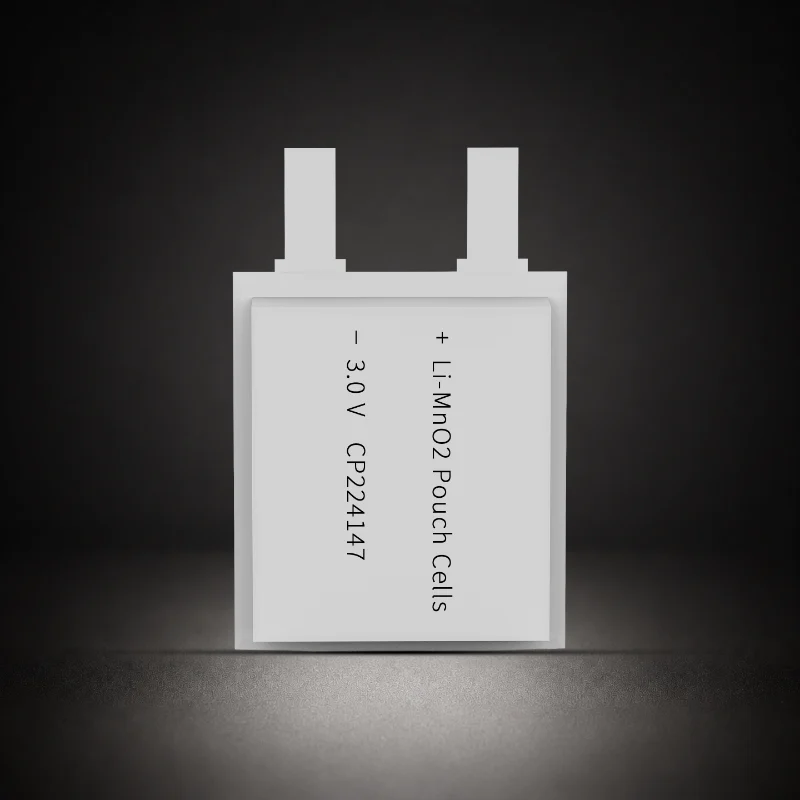
Li-MnO2 Pouch Cells
For Typical Medical Applications
Wearable Patches · Biosensors · Portable Monitors
Ultra-Thin Form Factor
The pouch construction minimizes battery thickness, helping designers integrate the power source into wearable and compact medical products with limited internal space.
Customizable Dimensions
Cell dimensions can be adapted to different enclosure layouts, giving product developers greater freedom when battery space does not follow a standard cylindrical format.
Long Shelf Readiness
With a shelf life of up to 10 years, Li-MnO₂ pouch cells are suitable for products that may spend extended periods in storage, distribution, or standby before use.
Wide Operating Temperature Range
An operating temperature range of -40°C to 80°C supports device programs that may encounter changing storage, transportation, and operating environments.
- CUSTOM BATTERY DESIGN
From Device Constraints to a Defined Battery Configuration
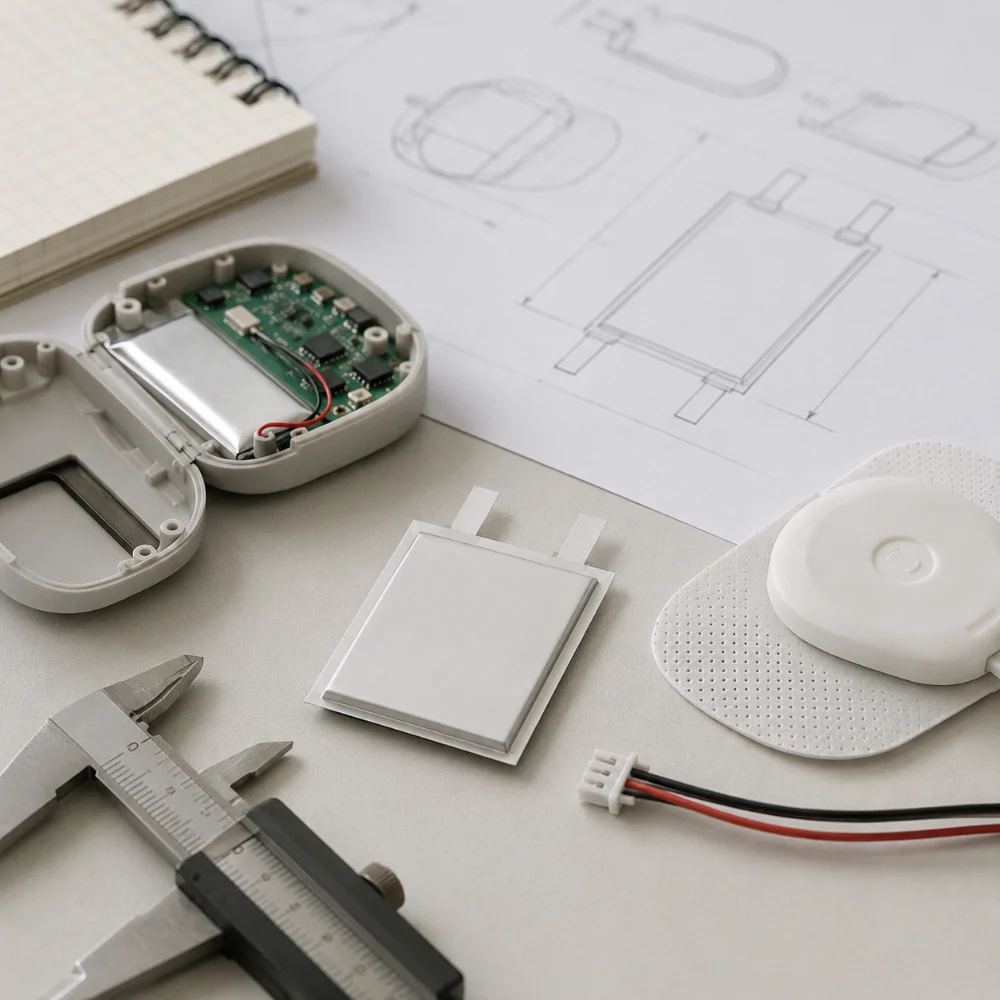
Medical devices rarely offer unlimited space for the power source. Lithogenix works with OEM teams to adapt Li-MnO₂ pouch cell dimensions, terminals, connection methods, and insulation to the mechanical and electrical requirements of the device.
This design-in approach helps integrate the battery earlier in product development, reducing the need to redesign the enclosure or interface around a fixed standard cell.
Custom Cell Dimensions
Thickness, length, and width can be evaluated against the available battery compartment, supporting compact layouts for wearable patches, biosensors, and portable monitoring devices.
Tabs, Leads & Terminals
Tab orientation, terminal position, wires, and connection methods can be configured to match the device PCB, assembly direction, and electrical interface.
Insulation & Mechanical Fit
Protective insulation, positioning, and mounting requirements are considered together with the enclosure design to support secure integration inside the finished device.
Engineering Samples
Prototype cells can be prepared for dimensional fit and initial electrical evaluation before the approved configuration moves toward production documentation and volume manufacturing.
- SAFETY, TESTING & COMPLIANCE
Validation Support for Medical Device Battery Programs
Battery integration in medical devices requires more than dimensional fit. Electrical performance, storage behavior, operating conditions, product consistency, and supporting documentation all need to be considered before a battery configuration moves toward production. Lithogenix supports medical device OEMs with battery-level verification and documentation based on the requirements of the selected cell, device program, and destination market.
Electrical Performance Verification
Key parameters such as voltage, capacity, internal resistance, and discharge behavior can be checked against the approved battery specification and intended device load.
Temperature & Storage Evaluation
Battery performance can be evaluated against the storage and operating conditions expected during manufacturing, transportation, inventory, and device use.
Batch Traceability & Documentation
Product identification, batch records, specifications, and available test documentation help maintain traceability between approved samples and subsequent production orders.
Compliance & Transport Support
Applicable battery test reports, transportation documentation, and project-specific compliance information can be reviewed according to the battery configuration, target market, and customer requirements.
- TYPICAL MEDICAL DEVICE APPLICATIONS
Designed for Compact, Battery-Powered Medical Devices
Lithogenix Li-MnO₂ pouch cells are suited to medical devices where battery thickness, available space, storage life, and lightweight integration are important design considerations. Current application areas include wearable patches, biosensors, and portable monitoring equipment.
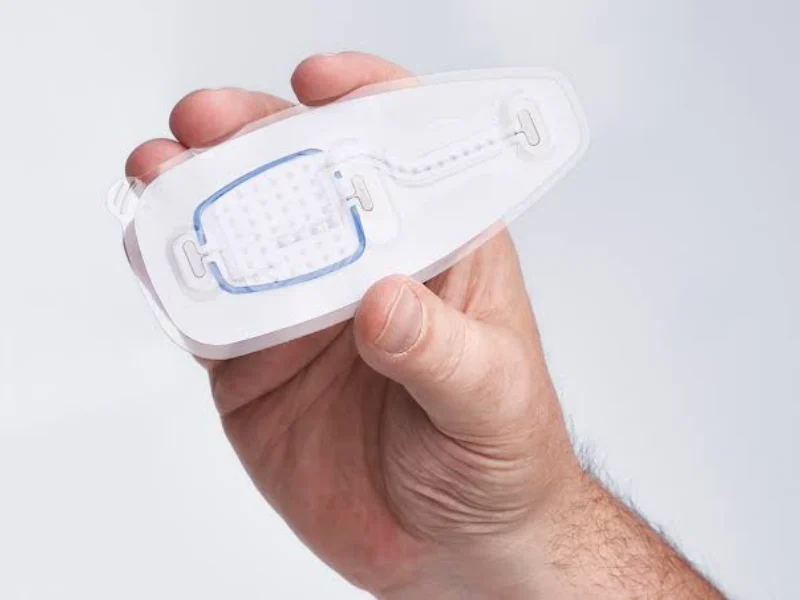
Wearable Medical Patches
Ultra-thin pouch cells support low-profile wearable designs where battery thickness and overall device weight must be kept to a minimum.
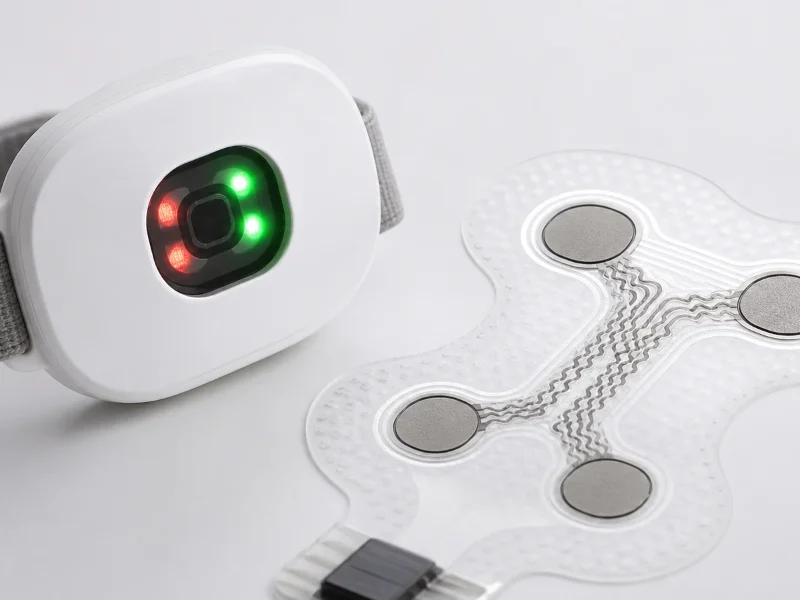
Biosensors
Compact cell dimensions and flexible form factors help integrate the power source into sensor devices with limited internal space and long storage requirements.
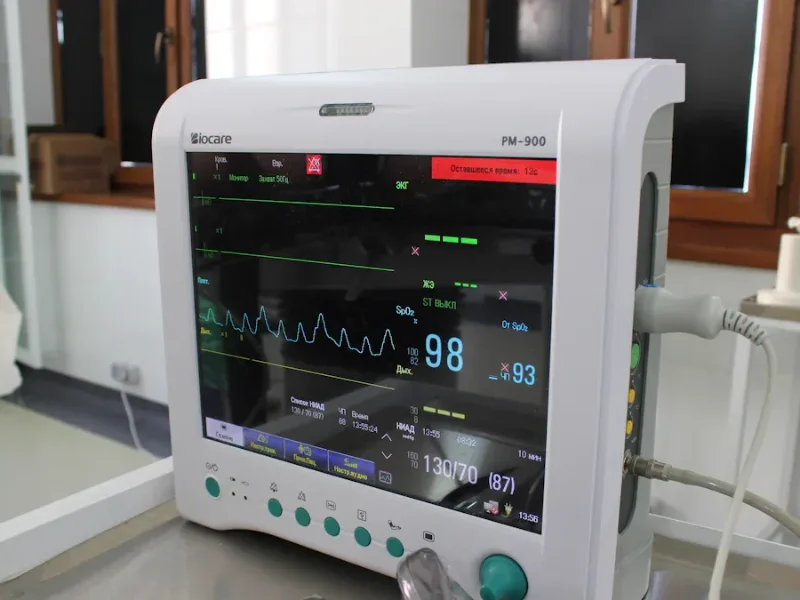
Portable Medical Monitors
Slim primary batteries provide a practical power option for portable monitoring devices that require compact packaging and reliable stored energy without adding unnecessary bulk.
- FAQs
FREQUENTLY ASKED QUESTIONS
The appropriate battery depends on the device voltage, available space, expected runtime, storage period, operating temperature, and electrical load. For compact primary-powered devices such as wearable patches, biosensors, and portable monitors, Li-MnO₂ pouch cells can provide a thin and space-efficient power option.
Their flat pouch construction allows the battery to occupy less thickness than many conventional cylindrical formats. This makes them useful where device profile, weight, and internal space are tightly controlled.
Yes. Cell dimensions and selected mechanical features can be evaluated according to the available enclosure space, required capacity, and product structure. Terminal orientation and connection methods can also be adapted where the project allows.
Useful information includes the device type, operating voltage, average and peak current, available battery dimensions, expected runtime, storage period, operating temperature, terminal requirements, and forecast order volume.